Move More at Work: Desk Stretches & Lunch-Break Workouts
Five-minute walking breaks every hour and 20-minute lunch workouts boost productivity, reduce stress, and counteract health risks from prolonged sitting.
Key Takeaways
- Five-minute walking breaks every hour strike the best balance between feasibility and effectiveness in mitigating health harms from prolonged sitting, according to real-world studies.
- Lunch-break workouts lasting just 20 minutes can improve productivity, cognition, completed work, and blood sugar regulation, with professionals reporting greater afternoon focus and job satisfaction.
- Exercise snacks and micro-workouts lasting 30 seconds to 15 minutes, when performed consistently with enough intensity, produce cardiovascular health and strength improvements comparable to longer sessions.
- Physical exercise alone reduces stress by up to 26%, while regular active breaks at work significantly decrease post-lunch sleepiness, perceived stress, and physical pain or discomfort.
- Desk stretches every 2–3 hours including triceps stretches, overhead reaches, shoulder stretches, hip and knee flexion, and neck stretches help prevent repetitive stress injuries without leaving your chair.
- Around 86% of American workers sit all day, and prolonged sitting increases risk for heart disease, cancer, diabetes, and early death, making movement breaks essential for long-term health.
Why Movement at Work Matters in 2026
Around 86% of American workers sit all day at work, driving a surge in workplace wellness programs that prioritize movement and mental health. A large study of 8,000 adults found that sitting for prolonged periods increased risk for heart disease, cancer, diabetes, and even early death. In 2026, corporate fitness and wellness are no longer about checking a box but about integrating practical movement strategies that busy professionals can sustain throughout the workday.
The physical toll extends beyond chronic disease risk. Sitting in one position for long periods may contribute to neck and shoulder pain, lower back pain, and musculoskeletal disorders. When you sit for hours on end, your body's ability to regulate blood sugar and break down fat is compromised, leading to insulin resistance, obesity, and cardiovascular problems. Research shows that discomfort reaches clinically meaningful levels in the low back and hip areas over time, while creative problem-solving errors increase.
The Break-and-Move Solution: How Often and How Long
A five-minute walking break every hour strikes the best balance between feasibility and effectiveness in mitigating health harms of sitting for long durations, according to a study conducted in real-world settings. Experts recommend a person break for 5–10 minutes for every hour spent at a workstation.
Laboratory studies indicate that regularly interrupting periods of prolonged sitting with short bouts—as brief as 2 minutes—of physical activity can improve markers of cardio-metabolic health. Taking short breaks to move refreshes the mind, helping employees return to work with focus and energy, while frequent movement breaks counteract stress and help maintain energy throughout the day.
Desk Stretches You Can Do Without Leaving Your Chair
Simple stretches you can do without leaving your chair include triceps stretches, overhead reaches, shoulder stretches, hip and knee flexion, hamstring stretches, and neck stretches. Many health experts recommend stretching every 2–3 hours if you work at a desk all day. Breaking up your workday with stretches and other physical activities can help keep you more comfortable while you work, and you can even stretch during a conference call or other work activities.
To avoid repetitive stress injuries, set a timer to remind yourself to move every hour, consider using a standing desk, or walk during phone calls and meetings. You might stretch while seated at your desk or standing in your workspace, making movement accessible even on the busiest days.
Lunch-Break Workouts: Twenty Minutes That Matter
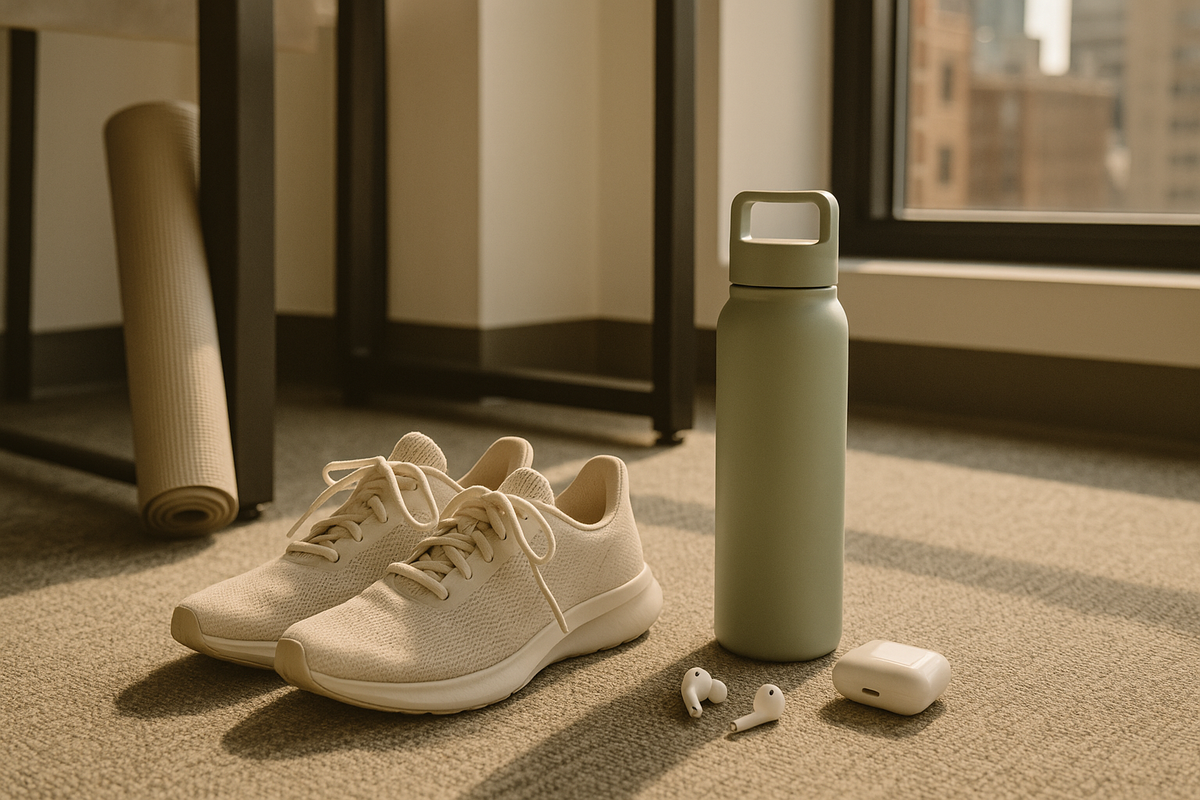
Professionals who work out at lunch tend to feel more productive during the latter part of the day and go home feeling more satisfied with their work. They also report improved cognition levels, more completed work, and fewer sick days. Fifteen minutes of a high-intensity workout can equal roughly an hour of moderate exercise, making lunch-break sessions highly time-efficient.
According to research, workers may benefit from a 20-minute aerobic exercise period following a 20-minute lunch and a 20-minute rest period, as this may help prevent progression to diabetes. Performing 20-minute aerobic exercises prior to lunch may also attenuate postprandial increases in blood glucose levels. An effective workout doesn't need to be long, intense, or particularly formal—it can be a 20-minute power walk around the park, a quick YouTube yoga flow, or an express Pilates session squeezed in between meetings.
Exercise Snacks and Micro-Workouts: The 2026 Trend
Mini workouts, known as "exercise snacks," have become a huge wellness trend because you can do them anywhere in seconds to minutes, even during work breaks, and they have huge fitness benefits. Micro-workouts are short, high-intensity workouts lasting 5–15 minutes that deliver the same benefits as longer sessions, while movement snacks are brief moments of physical activity lasting 30 seconds to 5 minutes sprinkled throughout your day to break up long periods of sitting.
When performed consistently and with enough intensity, they can produce improvements in cardiovascular health, strength, and overall fitness comparable to longer sessions. According to Virlo.ai's recent analysis, the "snack-sized workout" trend has generated over 122 million views across TikTok, YouTube Shorts, and Instagram Reels, reflecting widespread adoption of this accessible approach.
Stress Management Through Movement at Work
Studies have found that physical exercise alone can reduce stress by up to 26%, showing that fitness initiatives in wellness programs can provide immediate and long-term benefits. Research tracking workplace interventions found that the proportion of workers who took at least two active breaks a day increased from 23% at baseline to 39% after the intervention, while the proportion of those who spent more than 10 hours sitting during the work day reduced from 31% to 14%.
Regarding weekly exercise, the proportion of those who did not participate in sports or get any type of exercise reduced from 43% at baseline to 26% after the intervention. Significant reductions were observed in post-lunch sleepiness, perceived stress, and pain or discomfort, demonstrating that movement breaks address both physical and mental well-being.
How Corporate Wellness Programs Are Evolving
In 2026, companies invest in assisted stretching, breathwork, restorative spaces, quiet rooms, and even nap pods. These offerings acknowledge a reality many employees face: high stress, constant demands, and limited opportunities to pause. Recreation remains one of the fastest-growing workplace wellness trends, and it continues to gain momentum in 2026.
Recreation breaks down barriers—not everyone wants a treadmill or a weight machine, but many people will happily join a pickleball game, a group hike, a nature walk, or a sunset yoga class. When companies offer outdoor and recreational options, participation skyrockets. Companies are also integrating mental recovery into the workday through "reset rooms," quiet spaces, or guided micro-breaks.
What This Means for Readers
Editorial analysis — not reported fact:
If you sit most of the day, the single most practical habit you can adopt is setting a timer for hourly five-minute walking breaks. Walk to the water cooler, take a lap around your floor, or step outside for fresh air. Pair this with simple desk stretches every two to three hours—overhead reaches, shoulder rolls, and neck stretches can be done during calls or between emails without drawing attention.
Lunch-break workouts don't require a gym membership or a full hour. A brisk 20-minute walk, a short bodyweight circuit, or a YouTube yoga flow can boost afternoon productivity, improve blood sugar regulation, and help you leave work feeling accomplished rather than drained. If a 20-minute block feels impossible, try exercise snacks: 30-second desk push-ups, two minutes of stair climbing, or five minutes of stretching between meetings. These micro-movements add up and deliver measurable health and stress-management benefits.
For busy professionals juggling competing demands, movement is not a luxury—it's a productivity tool. The evidence shows that regular breaks improve focus, reduce errors, and lower stress without undermining work performance. Start small: one five-minute walk today, one lunchtime stretch session this week, one movement snack before your afternoon meeting. Consistency matters more than intensity, and even modest changes can counteract the health risks of prolonged sitting.
If you experience chronic pain, have a health condition, or are unsure which movements are appropriate for your situation, consult a qualified healthcare professional or physical therapist for personalized guidance.
Sources & Further Reading
- JustStand.org: The Facts on Sitting — Statistics on workplace sitting prevalence and health risks
- Mayo Clinic: What are the risks of sitting too much? — Large study findings on prolonged sitting and chronic disease
- Medical News Today: Five-minute walking breaks offset harm from prolonged sitting — Real-world study on optimal break frequency
- British Journal of Sports Medicine: Breaking up prolonged sitting reduces postprandial glucose and insulin responses — Laboratory evidence on short activity bouts
- WebMD: Stretches to Do at Your Desk — Practical desk stretches and frequency recommendations
- Spine-health: Office Chair, Back Support, and Sitting Positions — Musculoskeletal impacts of prolonged sitting
- Harvard Health: Work out at lunch for afternoon energy — Productivity and satisfaction benefits of lunchtime exercise
- Journal of Diabetes Investigation: Effects of lunch-break exercise on postprandial glucose — Research on 20-minute aerobic exercise timing and blood sugar
- Health.com: What Are Exercise Snacks? — Overview of exercise snacks and micro-workouts
- Forbes: Promoting Wellness in the Workplace — Stress reduction statistics and workplace wellness strategies
- ACE Fitness: Top Corporate Fitness and Wellness Trends for 2026 — Current trends in corporate wellness programs and recreational movement
Editorial coverage of publicly reported health, fitness, wellness, nutrition, and active living developments. Move Weekly has no commercial relationship with any companies, gyms, studios, brands, events, experts, products, or organizations named.