Strength, Balance & Community: Older Adult Fitness in 2026
Older adults now visit gyms more than any age group. Why strength, balance, and walking groups are redefining active aging in 2026.
Key Takeaways
- Fitness programs for older adults rank as a top fitness trend for 2026, driven by 73 million baby boomers who will all be over age 65 by 2030 and rising demand for evidence-based, age-appropriate exercise options.
- Strength training is the most effective intervention for older adults, with research showing that resistance exercise preserves muscle mass, improves balance, and reduces fall risk—often delivering noticeable benefits within just a few weeks of starting a personalized program.
- Exercise reduces the rate of falls by 23 percent according to CDC data, with balance and functional exercises cutting falls by 24 percent, multi-component programs by 28 percent, and Tai Chi by 23 percent among adults aged 65 and older.
- Older adults now visit gyms and studios more often than any other age group, per the 2023 IHRSA U.S. Health & Fitness Consumer Report, reflecting a cultural shift from "slowing down" to building strength, independence, and social connection.
- Walking groups produce mental health benefits 20 percent greater than solo exercise and show the highest adherence rates of any exercise form for adults over 60, combining physical activity with community engagement.
- Brief, daily workouts outperform traditional longer sessions in older adult preferences, with 2.2 times as many participants choosing a daily 5-minute resistance training program over a traditional 45-minute session.
Why Strength and Balance Matter More Than Ever for Older Adults
The fitness industry is witnessing a seismic shift in how older adults approach movement and wellness in 2026. According to the Centers for Disease Control and Prevention (CDC), 1 in 4 Americans aged 65 and older falls each year, and falls are the leading cause of injury-related hospitalizations in this age group. At the same time, the 2023 IHRSA U.S. Health & Fitness Consumer Report found that adults aged 65 and older now visit gyms and studios more frequently than any other age group, signaling a fundamental change in how this population views fitness.
This convergence of risk and opportunity has pushed strength, balance, and community-focused programming to the forefront. Progressive loss of skeletal muscle mass, strength, and function typically starts around age 30 and accelerates after age 60. Without resistance training or intervention, this loss leads to reduced mobility, balance issues, and increased fall risk. The good news: with personalized programs and expert guidance, older adults can safely enhance their strength, balance, and mobility, often seeing noticeable benefits in just a few weeks.
The baby boomer generation includes 73 million Americans born between 1946 and 1964, all of whom will be over age 65 by 2030. This demographic reality is intensifying demand for evidence-based exercise options that work for real bodies, real schedules, and real life.
How the Fitness Industry Is Rebranding "Senior Fitness" as "Active Aging"
Language matters. A 2024 industry report found that programs labeled "low intensity," "functional," or "active aging" consistently attract more participants than those called "senior fitness." Programmes labeled "active ageing," "vital living," or "fit as you age" perform better than age-driven labels. This rebranding reflects how older adults want to be perceived and how the fitness industry is responding to their preferences.
Fitness programs for older adults rank as a top fitness trend for 2026, according to industry tracking. The narrative has fundamentally shifted from "slowing down" to building strength and independence, a major cultural change that aligns with what wellness-focused consumers of all ages care about: autonomy, quality of life, and staying active on their own terms.
The Science Behind Strength Training for Fall Prevention
The evidence is clear: exercise reduces the rate of falls by 23 percent, with balance and functional exercises reducing falls by 24 percent, programs involving multiple types of exercise reducing falls by 28 percent, and Tai Chi reducing falls by 23 percent. These figures come from CDC analysis of interventions targeting adults aged 65 and older.
Particularly useful approaches for this population include resistance training to preserve strength, balance and mobility exercises to reduce fall risk, and low-impact cardiovascular activity to support heart health. One standout example is the Otago Exercise Program, a home-based strength and balance training program delivered by a physical therapist. Research shows the rate of falls is lower in the Otago group, with an incident rate ratio of 0.64 (95% confidence interval 0.46 to 0.90).
The stakes are high. Falls are not just common but consequential, often leading to hospitalization, reduced independence, and cascading health issues. Exercise-based interventions offer a proven, accessible way to reduce that risk.
What Older Adults Actually Want: Short Workouts and Personalization
In 2026, personalization is a defining trend. Older adults are increasingly looking for wellness routines that align with their unique needs, preferences, and abilities. Exercise trends for older adults are less about intensity and more about sustainability. The goal is not to push limits but to support mobility, balance, and confidence for everyday life.
One surprising insight: brief workouts win. Research found that 2.2 times as many older adults preferred a daily 5-minute resistance training program versus a traditional 45-minute resistance training program (68.4 percent versus 31.6 percent). This preference highlights the importance of accessibility, consistency, and ease of adoption over marathon sessions that feel intimidating or time-consuming.
Popular movement-focused senior wellness programs now emphasize functional strength training to help with daily tasks, balance-focused exercises to reduce the risk of falls, and gentle, low-impact movement like yoga, Tai Chi, and water aerobics. Expect to see more research-based strength programs designed specifically for older adults, as well as hybrid classes that blend strength with balance and mobility training.
Joint-Friendly Exercise for Arthritis and Chronic Pain
Low-impact movement is best for arthritis relief. Exercises like walking, water aerobics, chair yoga, and Tai Chi help reduce pain without stressing the joints. Arthritis impacts over 54 million adults in the U.S., making it one of the most common chronic conditions affecting joint health today.
Enhance®Fitness is an arthritis-friendly, low-cost, evidence-based group exercise and falls prevention program that helps older adults at all levels of fitness become more active, energized, and empowered. About 60 percent of participants are age 70 years or older, and more than 20 percent are 80 years or older. Outcomes are strong: 99 percent of participants say they would recommend EnhanceFitness to a friend, and 94 percent of participants gave themselves a rating of 3 or higher for improvement in physical abilities.
Another evidence-based option is Tai Ji Quan: Moving for Better Balance (TJQMBB), a balance training regimen designed for older adults at risk of falling and people with balance disorders. The program transforms martial arts movements into a therapeutic regimen aimed at improving postural stability, awareness and mindful control of body positioning in space, functional walking, movement symmetry, and coordination.
Research has shown that among older adults who participate in Enhance®Fitness, health costs were lowered each year by close to $1,000, underscoring the economic and personal value of accessible, effective programming.
Walking Groups: The Community Connection Game-Changer
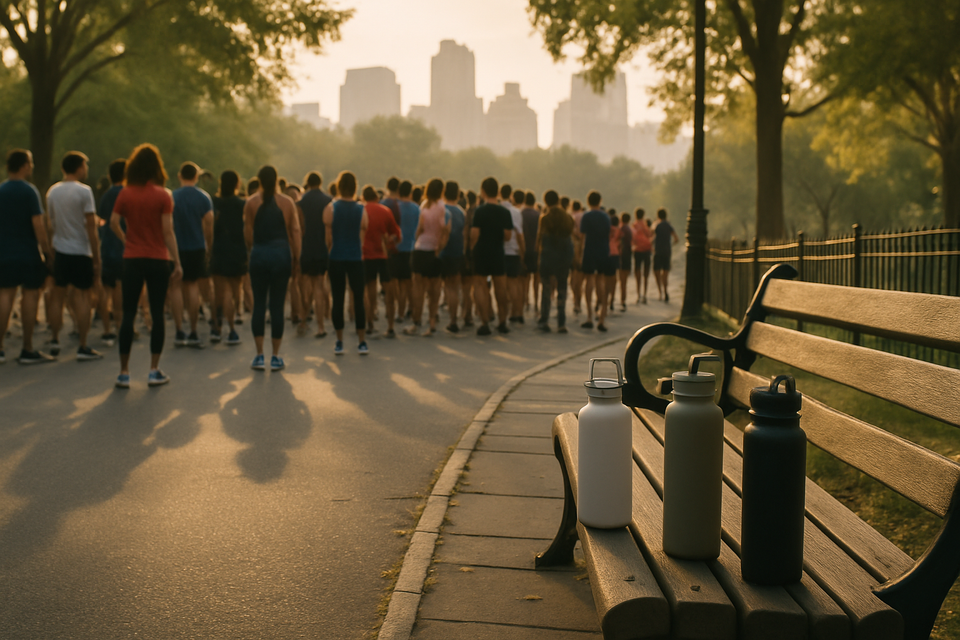
Walking groups have emerged as one of the most powerful and underutilized tools for older adult engagement. Older adults who walk regularly with a social group live longer, maintain sharper cognitive function, experience fewer falls, and report significantly higher life satisfaction than those who exercise alone or do not exercise at all.
A 2019 study published in the British Journal of Sports Medicine analyzed data from 1.2 million adults and found that team and social exercise produced mental health benefits 20 percent greater than equivalent solo exercise. Group walking specifically showed the highest adherence rates of any exercise form for adults over 60.
Real-world examples illustrate the impact. NYRR Striders is a free walking and fitness program that offers physical activity for older adults looking to lead a more active life and meet new people in their local community. NYRR Striders began as a local effort and has grown into a vibrant citywide initiative, bringing older adults together to walk, build strength, mobility, and independence, and stay active within their communities.
Similarly, Shape Up NYC is a free group fitness program for adults and seniors with locations in all five boroughs, offering fitness classes like dance fitness, bodyweight circuit training, yoga, bootcamp, Zumba, and much more. These programs demonstrate how removing cost barriers and emphasizing social connection can drive sustained participation.
What This Means for Readers
Editorial analysis — not reported fact:
If you are an older adult, a caregiver, or simply planning for your own future mobility and independence, the message from 2026 is clear: strength and balance training are not optional extras. They are foundational to healthy aging. The good news is that effective programming is more accessible, more varied, and more welcoming than ever before. You do not need to commit to hour-long gym sessions or high-intensity bootcamps. A daily 5-minute resistance routine, a weekly Tai Chi class, or a neighborhood walking group can deliver meaningful, measurable benefits.
For those managing arthritis, joint pain, or chronic conditions, evidence-based programs like Enhance®Fitness and Tai Ji Quan: Moving for Better Balance offer structured, safe pathways to improved function and reduced pain. For those seeking community and accountability, walking groups combine physical activity with social connection in a format that boasts the highest adherence rates of any exercise form for adults over 60.
The cultural shift from "senior fitness" to "active aging" reflects a deeper truth: movement is not about age. It is about autonomy, confidence, and the ability to do what you love for as long as possible. Whether that means playing with grandchildren, traveling, gardening, or simply walking to the mailbox without fear of falling, the right fitness routine can support those goals.
As always, if you are new to exercise, managing a chronic condition, or recovering from an injury, consult with a healthcare professional or physical therapist before starting a new program. Personalized guidance ensures you start safely and build sustainably.
Sources & Further Reading
- CDC Falls Facts — Data on fall rates, injury risk, and exercise-based interventions for older adults.
- IHRSA U.S. Health & Fitness Consumer Report — Industry data on gym and studio usage by age group.
- Enhance®Fitness — Evidence-based group exercise and falls prevention program for older adults.
- Tai Ji Quan: Moving for Better Balance — Balance training regimen for fall prevention and postural stability.
- NYRR Striders — Free walking and fitness program for older adults in New York City.
- Shape Up NYC — Free group fitness classes for adults and seniors across all five boroughs.
- CDC Arthritis Basics — Information on arthritis prevalence and management strategies.
Editorial coverage of publicly reported health, fitness, wellness, nutrition, and active living developments. Move Weekly has no commercial relationship with any companies, gyms, studios, brands, events, experts, products, or organizations named.