Travel Wellness: Staying Active and Healthy on the Road
Hotel gyms, jet lag recovery, airport snacks, and movement strategies for travelers balancing active lifestyles with time away in 2026.
Key Takeaways
- Hotel gym equipment is sufficient for full-body workouts: most properties offer 10-50 pound dumbbells, a treadmill or cardio machine, and an adjustable bench, enough for comprehensive strength and cardio sessions when paired with adaptive workout apps.
- Jet lag recovery timing varies by direction: eastward flights can require 5 to 9 days for full recovery, while westward travel typically resolves in 2 to 5 days, with 75% of travelers experiencing worse symptoms flying east.
- Morning sunlight exposure is the most powerful jet lag recovery tool, helping reset your circadian rhythm faster than any other intervention when combined with well-timed meals and exercise.
- Fitness amenities now drive booking decisions for 60% of Gen Z travelers, reflecting how wellness priorities have shifted from niche luxury to mainstream travel planning in 2026.
- Protein-fiber snack pairings outperform protein-only options for sustained energy and stable blood sugar during flights, with dietitian-approved choices including Greek yogurt, plain nuts, roasted chickpeas, and lentil chips.
- Movement during travel days reduces stress, minimizes muscle stiffness from prolonged sitting, and may help regulate circadian rhythm to counteract jet lag, according to research.
Why Fitness Amenities Now Shape Hotel Booking Decisions
Wellness travel has evolved from a niche luxury category to a defining priority for mainstream American travelers in 2026. Fitness amenities now drive booking decisions for 60% of Gen Z travelers, signaling a generational shift in how active adults approach time away from home. Rather than viewing vacations as breaks from healthy routines, today's travelers seek properties and experiences that support their fitness, nutrition, sleep, and recovery goals.
This shift extends beyond high-end wellness retreats. Everyday travelers want practical strategies for maintaining their strength training, managing jet lag after crossing time zones, eating well in airports and on the road, and recovering from the physical disruption that comes with any trip longer than a weekend.
Making Hotel Gyms Work With Limited Equipment
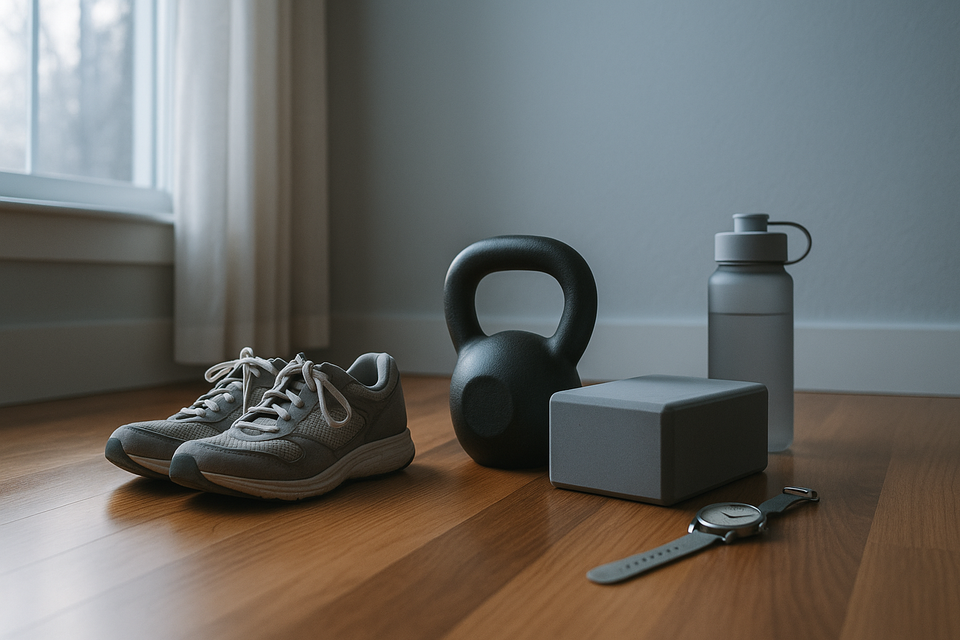
Most hotel fitness centers follow a predictable formula: dumbbells ranging from 10 to 50 pounds, a treadmill or cardio machine, and an adjustable bench. While this setup feels sparse compared to commercial gyms, it's actually enough for comprehensive full-body workouts when you know how to program around constraints.
Adaptive workout apps have become essential travel tools. Fitbod uses an advanced AI algorithm that analyzes your available equipment, space limitations, fitness level, and recovery state to generate workouts tailored to unfamiliar or minimal hotel gym setups. For travelers without any gym access, apps like Fitbod and Freeletics build bodyweight routines for hotel rooms with no equipment needed.
Gymverse represents a solid choice for travelers who value professional program design and equipment adaptability, tested across scenarios from boutique hotels with minimal facilities to resort gyms with full equipment ranges. Other popular options in 2026 include 8fit, Caliber, MyFitnessPal, and ClassPass for access to studios worldwide.
Understanding Jet Lag Recovery Timelines and Science-Backed Tools
Jet lag typically kicks in after crossing 3 or more time zones, but recovery timelines depend heavily on travel direction. Recovery after a long eastward flight can take 5 to 9 days, while going west typically resolves in 2 to 5 days, with 75% of travelers experiencing worse symptoms flying east.
The single most powerful recovery intervention is surprisingly simple: get outside in the morning sunlight as early as possible. Light exposure directly resets your circadian rhythm, the internal system controlling sleep, wakefulness, and other daily patterns. Well-timed light exposure, melatonin, exercise, and meals work together to accelerate adaptation to new time zones.
Emerging research from Japan offers hope for faster recovery. Scientists discovered a compound called Mic-628 that acts directly on the body's circadian rhythm, potentially cutting jet lag recovery time nearly in half. While this drug remains in development as of spring 2026, travelers are already using tools like the Timeshifter app and RISE app, which provide personalized light and meal timing recommendations based on your flight schedule and destination.
Navigating Airport Food and Packing Smart Snacks
Buying snacks at the airport can be surprisingly expensive, often costing significantly more than similar items purchased elsewhere. A bottle of water that costs $1 outside the terminal can reach $4 or more inside, making TSA-friendly snack prep a practical money-saving strategy for frequent travelers.
For flights longer than 2 hours, dietitians recommend snacks where protein is paired with fiber-rich carbohydrates or healthy fats. Protein alone isn't enough to fill you up and keep your blood sugar stable. Top choices for 2026 include Greek yogurt, plain or lightly salted nuts like almonds or pistachios, roasted chickpeas, and lentil chips. Protein bars and nut mixes dominate the market, providing quick energy while keeping hunger at bay when you look for options with minimal added sugars and whole ingredients.
Charcuterie boards remain a standout for the airport environment in 2026, designed for grazing rather than committing to a full entrée. They offer flexibility, variety, and speed between flights. Airport food quality has improved at select U.S. hubs: airports like San Francisco and Portland have made real strides toward local, fresh food vendors alongside the usual chains, with clear nutritional labeling becoming more common.
Staying Active During Vacations and Supporting Recovery
Making time for movement can reduce travel-related stress and minimize muscle stiffness that crops up after a long plane, train, or car ride. Research suggests it may even help regulate your circadian rhythm and counteract jet lag. Activities like exploring new places, staying active, and connecting with others can boost immunity, metabolism, and stress recovery.
Even if you've planned a vacation of pure relaxation, try to stay active each day, as moving your body can boost your energy so you can enjoy more of your trip. Practical strategies include stretching in the airport, walking around before a long flight, or doing calf raises while standing in line. Book active excursions like hiking, snorkeling, biking, or kayaking to build movement into your itinerary rather than treating it as an add-on.
Research proves that weight gained on vacation hangs around for weeks after the party's over, making consistency during travel an important factor for long-term wellness rather than a minor disruption.
What This Means for Readers
Editorial analysis — not reported fact:
The wellness travel shift reflects a broader cultural change: Americans no longer see fitness and health routines as things to abandon when they leave home. For readers planning summer 2026 trips, this means rethinking both preparation and expectations. Instead of accepting that travel derails your routine, you can now build momentum around small, high-impact habits.
If you have a work trip to the East Coast or an international flight crossing multiple time zones, prioritize morning light exposure over sleeping in. If your hotel gym only has dumbbells and a bench, download an adaptive workout app before you leave rather than skipping strength training for a week. If you're flying for more than two hours, pack protein-fiber snack pairings in your carry-on rather than paying $12 for a mediocre airport sandwich that leaves you hungry an hour later.
For families traveling with kids or older adults managing chronic conditions, these strategies become even more valuable. Movement, hydration, and circadian rhythm management affect mood, energy, digestion, and immune function for travelers of all ages. The goal isn't perfection or replicating your full home routine on the road. It's maintaining enough consistency that you return home feeling restored rather than depleted, ready to resume normal life without a multi-day recovery period.
Sources & Further Reading
- Travel + Leisure: How Fitness Amenities Drive Gen Z Hotel Booking Decisions — survey data on wellness priorities shaping 2026 travel planning
- Travel + Leisure: Hotel Gym Workout Tips and Equipment Overview — practical strategies for using limited hotel fitness facilities and bodyweight apps
- Men's Health: Fitbod App Review — testing AI-driven adaptive workout programming for travelers
- Men's Health: Gymverse App Review — evaluation of professional program design across varied hotel gym scenarios
- Sleep Foundation: Jet Lag Recovery Timelines and Circadian Rhythm Science — evidence-based guidance on light exposure, melatonin, and recovery windows
- NPR: Japanese Scientists Discover Compound That May Cut Jet Lag Recovery Time — research on Mic-628 and circadian rhythm reset mechanisms
- Eat This, Not That: Healthy Airport Snacks and Protein-Fiber Pairing Strategies — dietitian-approved TSA-friendly options for sustained energy
- The Travel: Airport Snack Trends for 2026 — emerging categories including charcuterie boards and legume-based snacks
- Healthline: How to Stay Healthy on Vacation — research on movement, immunity, metabolism, and weight maintenance during travel
Editorial coverage of publicly reported health, fitness, wellness, nutrition, and active living developments. Move Weekly has no commercial relationship with any companies, gyms, studios, brands, events, experts, products, or organizations named.