Budget Fitness: Affordable Gym & Wellness Options in 2026
Budget gyms, free park fitness classes, YouTube workouts, and insurance-covered programs make movement and wellness accessible on tight household budgets.
Key Takeaways
- Budget gym memberships average $23 per month in 2026, with Crunch Fitness starting at $9.95/month and Planet Fitness Classic memberships around $15/month, making consistent strength training and cardio accessible without the $77 average cost of high-end gyms.
- Free fitness programming has expanded across major U.S. cities, including Shape Up NYC's year-round classes in all five boroughs, Boston Parks Fitness Series, and nearly 500 free outdoor classes at 22 Western New York parks from June through August.
- YouTube and streaming platforms host thousands of free workouts led by certified instructors, from five-minute stretches to full-hour strength sessions, while paid platforms like Bodi by Beachbody start at $179 annually (about $0.50 per day).
- Insurance and employer wellness programs increasingly cover gym fees as HSA-eligible expenses or offer discounted access through programs like Active&Fit Direct, reducing out-of-pocket costs for over 64 million Americans with fitness memberships.
- SNAP-Ed and WIC programs provide nutrition education and food assistance to low-income families, while farmers' market incentive programs in cities like New York, Philadelphia, and San Diego increase fresh produce purchases among federal food assistance recipients.
- SilverSneakers offers free fitness access to seniors 65+ on eligible Medicare plans, while NYC Parks recreation center memberships cost $25 annually for seniors, veterans, and people with disabilities, and are free for those 24 and younger.
Why Budget Fitness Matters in 2026
More than 64 million Americans now hold fitness memberships, but cost-of-living pressures continue to shape how everyday consumers approach movement and wellness. The average gym membership costs $50.03 per month across 18 popular gyms, with high-end facilities averaging $77 monthly. Budget gyms, by contrast, average $23 per month, and some drop as low as $9.95.
Research shows that reducing barriers to exercise increases adherence. According to a Cochrane review on physical activity implementation strategies, when healthy behavior is easier to access, adoption improves. In 2026, accessible fitness is no longer just about affordability. It is about removing friction and building sustainable routines that fit real household budgets.
Budget Gym Memberships That Actually Work
Crunch Fitness leads the budget category with memberships starting at $9.95 per month and base plans ranging from $9.99 to $14.99 depending on location, offering class variety that rivals pricier studios. Planet Fitness Classic memberships start around $15 per month, while PF Black Card memberships run approximately $24.99 monthly at participating locations.
Cardinal Fitness offers $10 monthly memberships with a $20 annual renewal fee, compared to Planet Fitness's $39 annual fee. A low-cost membership only delivers value if it removes friction and supports consistency. Look for convenient locations, hours that match your schedule, and equipment or classes that align with your goals, whether that is strength training, cardio, or group fitness.
Free Fitness Programming Across Major U.S. Cities
Public parks and community centers now host extensive free fitness options. Boston Parks Fitness Series offers free in-person classes led by certified fitness instructors throughout Boston parks. Shape Up NYC is a free group fitness program for adults and seniors with locations in all five boroughs, including dance fitness, bodyweight circuit training, yoga, bootcamp, and Zumba.
Western New York provides nearly 500 free outdoor fitness classes at 22 parks from June 1 through August 31, led by certified YMCA instructors, with all ages and skill levels welcome and no registration required. Portland's Fitness in the Park program expanded to nine more parks beginning Monday, June 22, with classes running through Friday, August 28.
Outdoor gyms, free public fitness stations installed in parks and recreation areas, cost nothing to use. Most major cities and many suburban parks now have pull-up bars, resistance stations, parallel bars, and cardio equipment fully accessible to the public.
YouTube, Streaming Workouts, and Digital Fitness Platforms
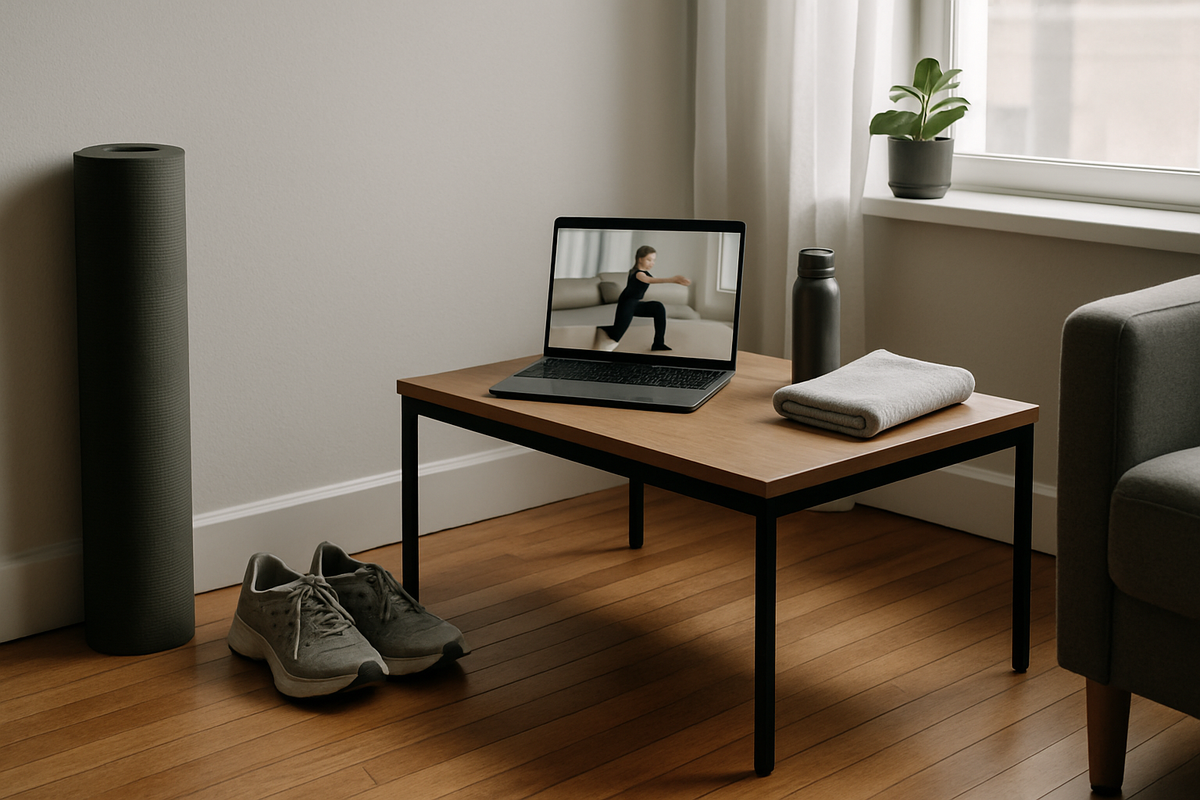
YouTube and similar sites host thousands of free workouts led by certified instructors, ranging from five-minute morning stretches to full-hour strength sessions. The flexibility and zero-cost access make streaming a go-to choice for many. Bodi by Beachbody starts at $179 billed annually, breaking down to about $0.50 per day, and is one of the most popular paid virtual fitness options.
Participating in community or social media-based fitness challenges often provides both motivation and structure. Many of these programs are free to join and include downloadable resources, goal-setting tools, and peer support.
Insurance-Covered Gym Access and Employer Wellness Perks
Some U.S. health insurers now cover gym fees as HSA-eligible expenses. Many health insurance plans offer discounted access to multiple gyms through programs like Active&Fit Direct, allowing members to gain access to several participating fitness centers instead of joining one gym. Some workplaces and health insurance companies offer benefits that make memberships even more affordable through insurance reimbursement, employer wellness perks, or student, senior, and military discounts.
SilverSneakers is a fitness and wellness program offered at no additional cost to seniors 65 and older on eligible Medicare plans, helping members get active, get fit, and connect with others. NYC Parks offers affordable recreation center and indoor pool memberships for adults age 62 or older at $25 per year for seniors, veterans, and people with disabilities, with membership free for those 24 and younger.
Low-Cost Healthy Eating and Food Assistance Programs
SNAP (Supplemental Nutrition Assistance Program) provides food benefits to low-income families to supplement their grocery budget so they can afford the nutritious food essential to health and well-being. SNAP-Ed is the federally funded nutrition education program designed to increase the likelihood that individuals with limited budgets in the U.S. can eat a healthy diet and achieve a physically active lifestyle, providing comprehensive nutrition education and obesity prevention interventions that target vulnerable populations.
Interventions combining exposure activities and modest financial incentives at farmers' markets in low-income neighborhoods show strong potential to improve diet quality of families receiving federal food assistance. Incentive programs in cities such as New York, Philadelphia, and San Diego have proven effective at increasing the amount of food assistance dollars spent at farmers' markets as well as improving self-reported fresh fruit and vegetable consumption among participants.
The WIC (Special Supplemental Nutrition Program for Women, Infants, and Children) program provides federal grants to states for supplemental foods, health care referrals, and nutrition education for low-income pregnant, breastfeeding, and non-breastfeeding postpartum women, and to infants and children up to age 5 who are found to be at nutritional risk.
Community Fitness Centers and Culturally Relevant Programs
Research shows that community members with generally low physical fitness will make use of an accessible fitness resource despite financial barriers and poor health status. Community fitness programs have the potential to decrease disparities in physical activity and health experienced by people of color and individuals with lower incomes if such programs are designed to be culturally relevant or provided in locations that make it easier to access for those populations. Available evidence indicates that programs explicitly designed with community input and culturally relevant tailoring may increase physical activity and improve health.
What This Means for Readers
Editorial analysis — not reported fact:
Budget fitness in 2026 is not about settling for less. It is about making smarter choices that align movement, nutrition, and wellness with real household budgets. If you live near a major city, check your local parks department for free fitness programming before signing up for a paid membership. YouTube offers legitimate, instructor-led workouts at zero cost, and many are as structured and effective as boutique studio classes.
If you are 65 or older and on Medicare, ask your plan administrator whether you qualify for SilverSneakers. If you are juggling work, family, and tight finances, a $10 to $15 monthly gym membership may offer better long-term adherence than expensive drop-in classes you attend inconsistently. If you receive SNAP benefits, look for farmers' market incentive programs in your city that stretch your grocery dollars toward fresh produce.
The barrier to fitness is rarely knowledge. It is access, cost, and friction. Budget options that remove those barriers give you the best chance of building a sustainable routine, whether that is a twice-weekly strength session at a budget gym, a Saturday morning park bootcamp, or a 20-minute YouTube HIIT workout before work.
Sources & Further Reading
- Planet Fitness membership pricing and locations — Budget gym chain with Classic and Black Card membership options
- Crunch Fitness membership plans — Budget gym offering class variety starting at $9.95/month
- Cochrane review on physical activity implementation strategies — Research on reducing barriers to exercise adherence
- Boston Parks Fitness Series — Free fitness programming in Boston parks led by certified instructors
- Shape Up NYC — Free group fitness program for adults and seniors across all five boroughs
- Western New York Fitness in the Parks — Nearly 500 free outdoor fitness classes at 22 parks, June through August
- Bodi by Beachbody — Virtual fitness platform starting at $179 annually
- SilverSneakers program — Free fitness and wellness program for seniors 65+ on eligible Medicare plans
- NYC Parks recreation center memberships — $25 annual memberships for seniors, veterans, and people with disabilities; free for age 24 and younger
- SNAP (Supplemental Nutrition Assistance Program) — Federal food assistance program for low-income families
- SNAP-Ed nutrition education program — Federally funded nutrition education and obesity prevention interventions
- WIC program — Special Supplemental Nutrition Program for Women, Infants, and Children
Editorial coverage of publicly reported health, fitness, wellness, nutrition, and active living developments. Move Weekly has no commercial relationship with any companies, gyms, studios, brands, events, experts, products, or organizations named.