How Neighborhood Studios Are Reshaping U.S. Fitness Culture
Boutique studios, run clubs, and local wellness entrepreneurs are building community-driven fitness scenes in neighborhoods nationwide, outpacing traditional gyms.
Key Takeaways
- Boutique fitness studios are booming: The U.S. boutique fitness market is projected to reach $12.9 billion by 2032, growing at 12.8% annually as studios prioritize experience, personalization, and community over traditional gym models.
- Community-driven fitness is the top trend in 2026: 47% of Gen Z clients report community as the main reason they stay committed to fitness, and studios leaning into connection saw cancellations drop 6% last year while traditional gyms saw cancellations rise 8%.
- Pilates leads boutique studio growth: Over 43% of boutique studios focus on Pilates, and active participation has surged nearly 40% since 2019, reaching 13 million Americans in 2025.
- Run clubs exploded in popularity: The number of running clubs jumped 58% in 2024 according to Strava data, with participation up 59% and new clubs tripling year-over-year as free, accessible community fitness takes off.
- Recovery spaces are expanding across studios: Infrared saunas, cold plunge pools, stretching zones, and mobility rooms are becoming standard additions to boutique studios and health clubs nationwide.
- Neighborhood wellness is reshaping local retail: Service-oriented tenants like gyms, fitness studios, and spas accounted for over 50% of total U.S. retail square footage for the first time in 2025.
Why Neighborhood Fitness Studios Are Outpacing Traditional Gyms
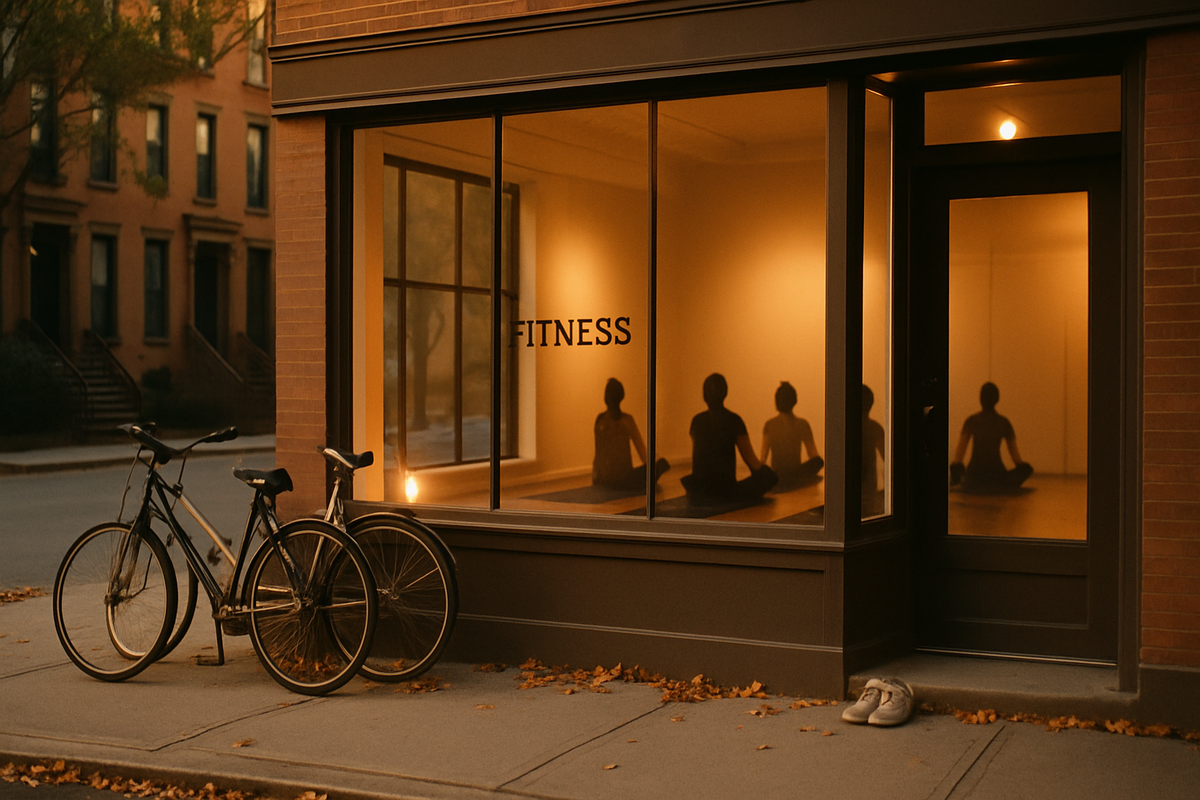
Fitness in America is shifting from big-box gyms to hyper-local, community-centered studios. The U.S. boutique fitness market is projected to reach $12.9 billion by 2032, growing at a compound annual rate of 12.8% from 2025 to 2032. Unlike traditional gyms that compete on equipment and price, boutique studios are winning on experience, connection, and results.
According to industry data, studios that lean into community saw cancellations drop 6% last year, while traditional gyms saw cancellations rise 8%. The difference comes down to how people feel. Studios are becoming "third spaces" where members build friendships, find accountability, and develop lasting wellness habits.
Community-driven fitness is the number one fitness trend in 2026, and younger consumers are driving the shift. 47% of Gen Z clients report that community is the main reason they stay committed to fitness, signaling a generational preference for social, experience-rich workouts over solo treadmill sessions.
Pilates, Yoga, and Multi-Modal Studios Dominate Local Expansion
Pilates is the primary modality for over 43% of boutique fitness studios in the market, followed by yoga, barre, indoor cycling at 19%, and HIIT at 18%. Active participation in Pilates has grown nearly 40% over the last six years, from 9.2 million in 2019 to nearly 13 million in 2025, according to industry participation data.
Major brands are expanding aggressively into new neighborhoods. Bodybar expanded from 48 locations in 17 states to 75 locations in 26 states over the last few years. Jetset ended 2025 with 44 studios in 10 states and 280 franchises sold, many in top-tier markets such as New York City, Boston, Denver, and Salt Lake City, per recent franchise growth reports.
A new neighborhood concept emerging in 2026 is the "trifecta of wellness": a reformer room for contemporary Pilates classes designed to build core strength, a strength training room for progressive lifting, and a recovery room housing a traditional Swedish sauna and cold plunge to support post-workout recovery, according to studio design trend analyses.
Recovery Rooms, Saunas, and Cold Plunge Pools Go Mainstream
Recovery is no longer reserved for elite athletes or luxury spas. Dedicated recovery areas featuring infrared saunas, cold plunge pools, stretching zones, massage therapy rooms, and mobility-focused spaces are becoming common additions to both boutique fitness studios and large health clubs, per 2026 fitness facility design reports.
One studio owner decided to add a hot studio space to her existing boutique gym. Since opening, she has been filling the room with Pilates members, local yogis, and those who want to sweat it out in a signature class called "Hot Body Sculpt," mixing sculpting, full-body strength exercises, and mindfulness-driven coaching, according to operator case studies.
The Run Club Explosion and Free Community Fitness
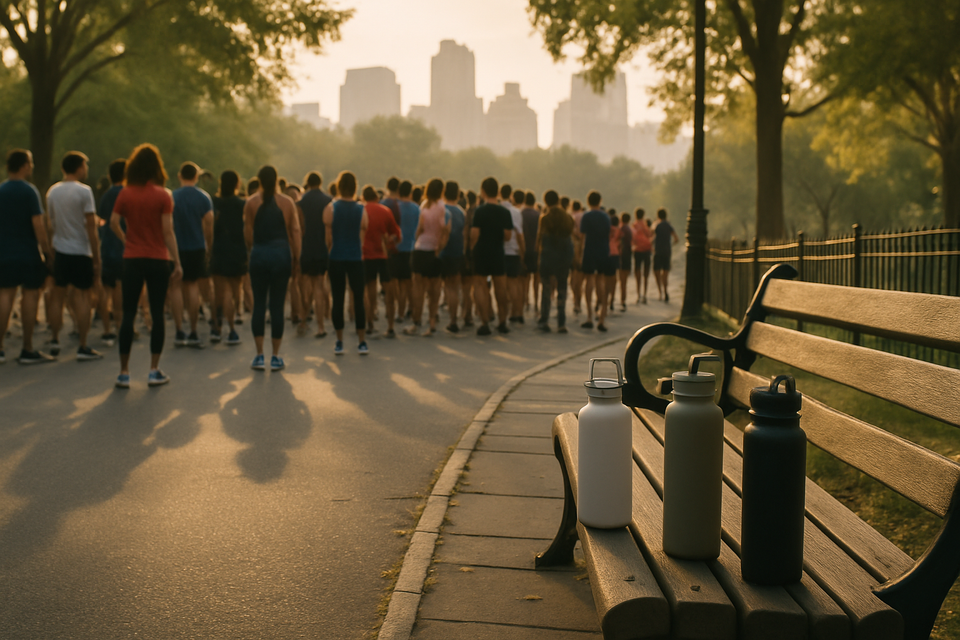
Running clubs are exploding across the United States. Data from Strava's 2024 Year in Sport Trend Report shows the number of running clubs jumped 58% in 2024, with 18% more group runs with 10 or more people recorded on the app. Participation in running clubs increased by 59% over the past year, and the number of new clubs has tripled compared to the prior year.
Running continues to grow as the most accessible and inclusive entry point into fitness. Brands and organizers are increasingly putting together run clubs, community runs, and major events as platforms not only for exercising, but also for connection and long-term habit-building, per Strava trend data.
Many clubs are free or nonprofit to attract participants, covering expenses via donations or sponsors. Community-led concepts can start with minimal upfront cost, moving fast to test demand and grow through momentum rather than infrastructure, according to fitness entrepreneur guides.
How Real Estate Is Responding to the Wellness Boom
Commercial landlords are betting big on fitness and wellness tenants. Service-oriented tenants, led by gyms, fitness studios, and spas, accounted for over 50% of total retail square footage in the U.S. for the first time in 2025. This is a historic shift in how neighborhood retail space is being used.
In Manhattan, fitness and wellness brands have leased 100,000 square feet in the Flatiron and NoMad neighborhoods in the past two years. Crunch Fitness boosted its leasing activity nearly 50% year-over-year and added 91 locations in 2025. In 2026, the brand is hoping to outdo those numbers by opening roughly 100 gyms worldwide this year, according to franchise expansion announcements.
Local Entrepreneurs Are Building Wellness from the Ground Up
Independent fitness entrepreneurs are reimagining what it means to serve a neighborhood. One fitness entrepreneur organized a monthly fitness boot camp in her community park after noticing that people in her neighborhood lacked access to affordable fitness options. By creating this free event, she provided an avenue for individuals to improve their fitness and fostered a sense of community and empowerment. Over time, the boot camp became a staple in the community, attracting people from all walks of life, per entrepreneurship case studies.
Local businesses of all sizes are adapting to meet rising interest in wellness. Corner shops stock herbal teas, natural skincare, functional ingredients, and mood-supporting products. Bakeries experiment with gluten-free or refined-sugar-free recipes. Barbershops and salons add calming rituals or aromatherapy elements to make their services more soothing. Neighborhood cafés offer turmeric lattes and adaptogenic blends, and fitness groups gather in parks instead of specialized gyms.
What This Means for Readers
Editorial analysis — not reported fact:
If you've been hesitant to join a traditional gym, or if you've quit big-box memberships in the past because they felt impersonal or overwhelming, the neighborhood wellness boom offers a fresh on-ramp. Studios prioritizing community, accountability, and hospitality-driven experiences are designed for people who want more than equipment access. They're built for connection, habit-building, and belonging.
For those exploring Pilates, yoga, strength training, or recovery modalities like saunas and cold plunge, spring 2026 is an ideal time to visit local studios that combine multiple offerings under one roof. Many are offering trial classes, intro packages, or free community events to welcome new members.
If cost is a barrier, free run clubs, park boot camps, and donation-based community fitness groups are multiplying in cities and suburbs nationwide. These low-barrier entry points offer coaching, motivation, and social support without the price tag of a monthly membership.
For active adults, busy professionals, parents, and older adults looking for a sustainable fitness routine, neighborhood studios and community-led fitness offer something traditional gyms often can't: a reason to show up that goes beyond the workout itself.
Sources & Further Reading
- Verified Market Research: U.S. Boutique Fitness Market Report — Market size, growth projections, and industry trends through 2032
- Studio Growth: Boutique Fitness Trends 2026 — Community-driven fitness, Pilates participation growth, studio expansion data, and real estate trends
- Strava 2024 Year in Sport Trend Report — Running club growth, group run participation, and community fitness data
Editorial coverage of publicly reported health, fitness, wellness, nutrition, and active living developments. Move Weekly has no commercial relationship with any companies, gyms, studios, brands, events, experts, products, or organizations named.