Design Your Home Wellness Sanctuary for 2026
Americans are investing in home gyms, recovery corners, and sleep sanctuaries as the $6.8 trillion wellness economy reshapes living spaces for better movement and rest.
Key Takeaways
- Home wellness spaces are a $6.8 trillion global wellness economy trend: The Global Wellness Institute reported the wellness economy reached $6.8 trillion in 2024, with Americans investing in home gyms, recovery corners, and sleep sanctuaries rather than gym memberships.
- 63% of U.S. adults now exercise at home weekly: About one-third plan to buy fitness equipment in the near future, with free weights, treadmills, and yoga accessories leading planned purchases.
- Bedroom temperature between 60 to 67 degrees Fahrenheit supports consolidated sleep: Research shows this range helps maintain uninterrupted, continuous sleep without awakenings, making climate control a priority in 2026 bedroom design.
- Recovery modalities are moving mainstream: Cryotherapy, red light therapy, infrared sauna, and lymphatic drainage are no longer just for elite athletes; everyday consumers are building dedicated recovery zones at home.
- Wellness kitchens prioritize ventilation and electric appliances: Gas stoves generate nitrogen dioxide and carbon monoxide; properly vented hoods that exhaust outdoors and electric cooktops reduce indoor air pollutants during everyday cooking.
- The 2026 wellness home includes three distinct zones: Movement spaces for yoga and mobility, recovery areas with tools like foam rollers and massage guns, and downshift corners for breathwork and meditation.
Why Americans Are Turning Their Homes Into Wellness Hubs in 2026
The home is no longer just shelter. According to the Global Wellness Institute's 2025 Global Wellness Economy Monitor, the wellness economy reached $6.8 trillion in 2024, and that investment is reshaping how Americans design their living spaces. In May 2026, the shift is unmistakable: people are prioritizing function over aesthetics, building environments that actively support sleep, movement, and recovery.
This isn't about luxury or aspiration. It's practical. CivicScience data shows 63% of U.S. adults engage in weekly home exercises, and gym memberships are down compared to this time last year. About one-third of Americans plan to buy fitness equipment in the near future, with free weights, treadmills, general home gym equipment, and yoga accessories leading the list. The message is clear: readers are reimagining their homes as performance and recovery centers, not just places to rest between workouts elsewhere.
How to Design a Home Gym That Fits Your Space and Goals
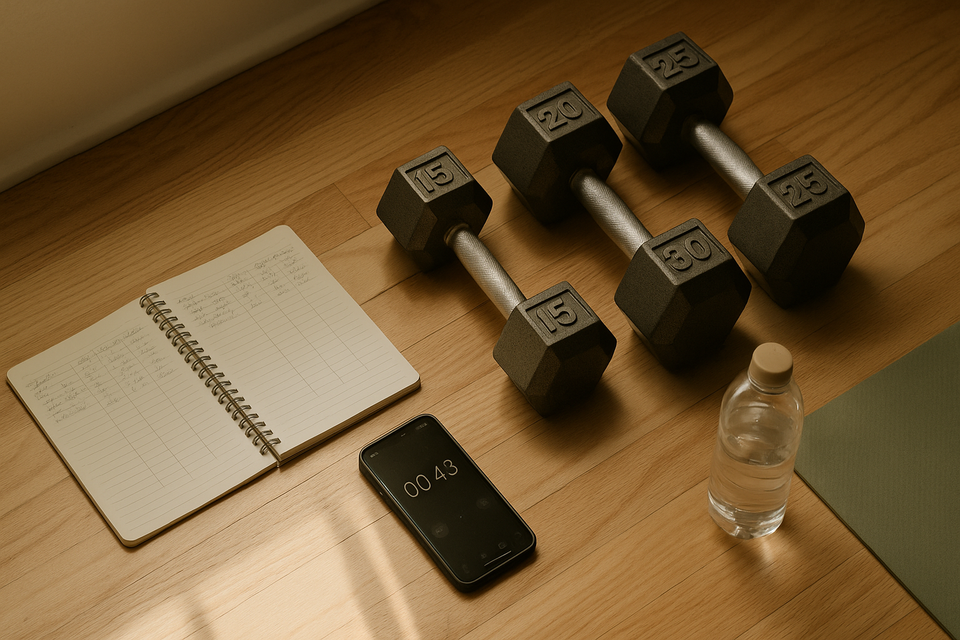
Home gyms in 2026 are no longer confined to spare rooms or garages. Homeowners are converting small corners, balconies, and living rooms into functional workout zones. The new standard emphasizes smart training, minimal equipment, and maximum space efficiency. Compact setups now rival commercial gyms in effectiveness, driven by AI-powered equipment that learns movement patterns and space-saving designs that adapt to any room size.
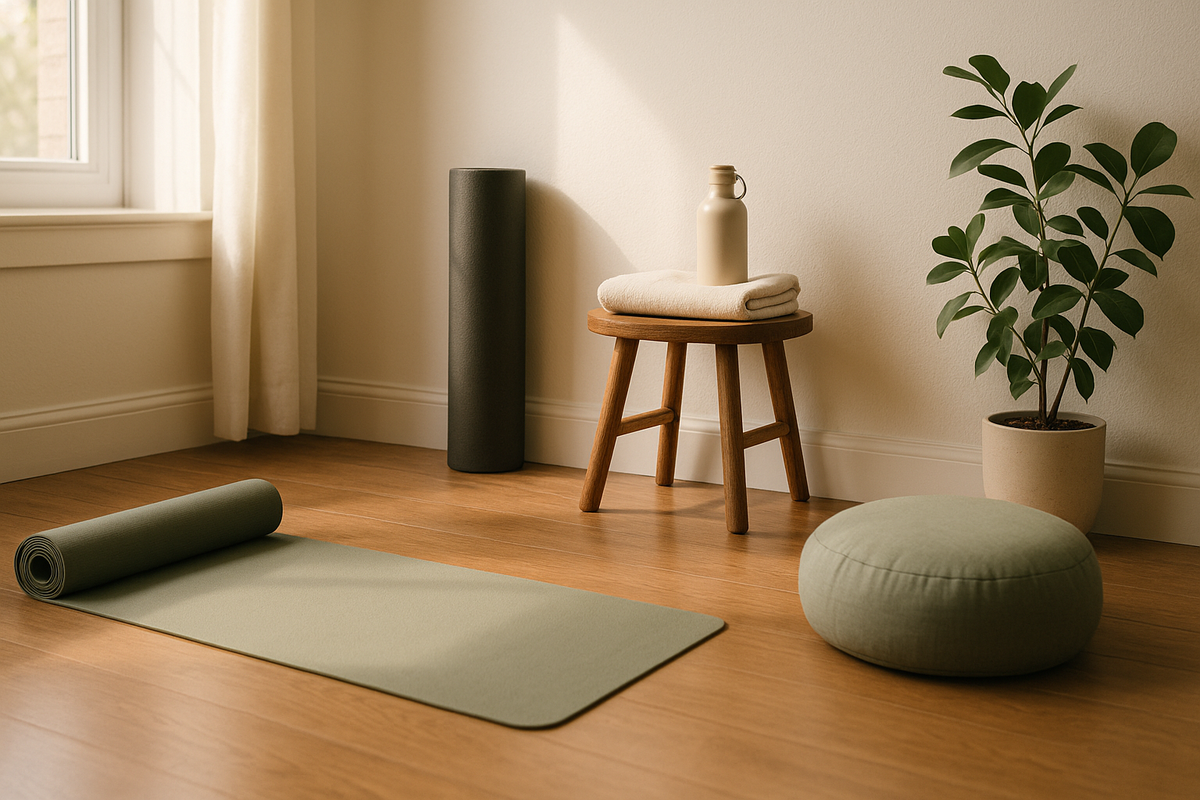
The biggest trend this year is functional equipment that mimics real-life motions, building practical strength for everyday tasks. Recovery tools have become equally essential, helping maintain progress and prevent injury. Creating a dedicated recovery corner with yoga mats, foam rollers, or massage guns promotes both mindfulness and stress relief, mixing mental health with physical fitness in what experts identify as a defining wellness trend for 2026.
Most effective wellness rooms include three distinct zones, according to current design guidance: a Movement Zone with open clearance for yoga and mobility work, a Recovery Zone housing tools like saunas, cold plunges, red light therapy, or compression devices, and a Downshift Zone for breathwork, meditation, journaling, and quiet seating. This layout supports the full cycle of training, recovery, and mental reset within the home.
Building a Bedroom That Actually Improves Your Sleep Quality
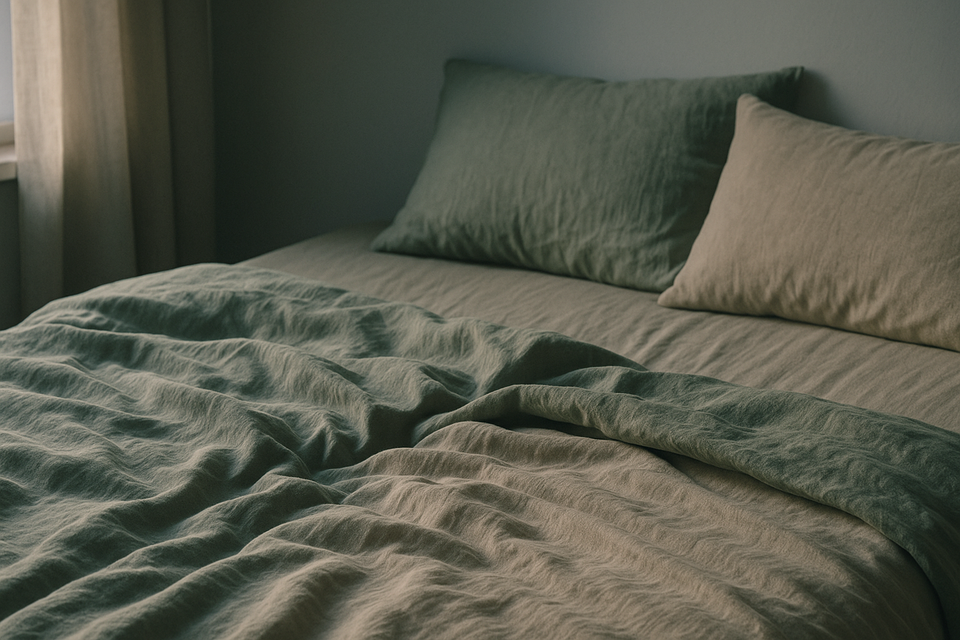
In 2026, the bedroom is recognized as a cornerstone of wellbeing, not just a place to sleep. Current design trends treat sleep as an integrated wellness outcome, supported by smart air purification systems that operate silently during sleep hours, circadian lighting that shifts color temperature throughout the day, and climate control systems calibrated to research-backed temperature ranges.
Studies have shown that a bedroom temperature of 60 to 67 degrees Fahrenheit supports more consolidated sleep, meaning uninterrupted, continuous sleep without awakenings. This finding has made precise climate control a standard feature in wellness-focused bedroom design, alongside blackout curtains, soundproofing materials, and tech-free zones.
Color palettes in 2026 favor warm earth tones like terracotta, clay, warm taupe, and muted sage, which feel grounding without being cold or clinical. Soft blues remain the gold standard for sleep-friendly color, consistently ranking as the best bedroom color for sleep in both research and consumer surveys. These palettes pair with clean lines, multifunctional furniture, and soothing neutral tones that emphasize warmth, texture, and calm rather than stark minimalism.
The biggest lighting innovation is tunable white bulbs that shift color temperature throughout the day. Bright, blue-white light at 5000K or higher in the morning promotes alertness, while warm, amber light at 2700K or lower in the evening supports melatonin production, aligning artificial light with natural circadian rhythms.
Creating a Wellness Kitchen That Supports Healthy Habits
Wellness kitchens in 2026 share common elements: indoor-outdoor connection and natural light, a focus on fresh air and ventilation, appliances that facilitate healthy cooking, clutter-free counters, and design that encourages social interaction. The shift reflects growing awareness of how the built environment affects daily health choices and outcomes.
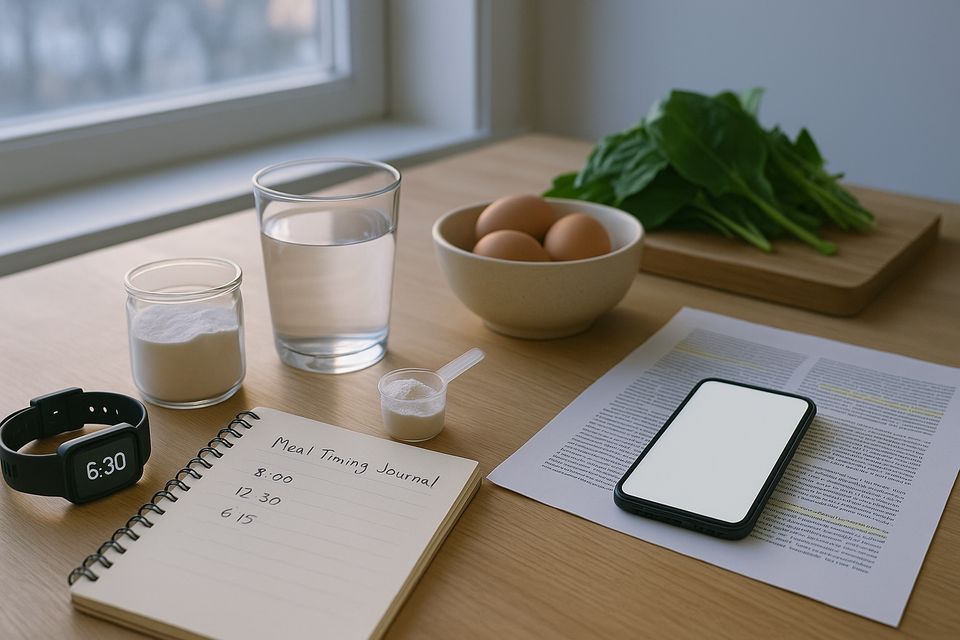
Ensuring smaller appliances like blenders are readily available on countertops encourages consistent use for smoothies, soups, and nutrient-dense meals. Steam ovens and air fryers are excellent options, especially when part of a multi-functional appliance that helps reduce clutter and keeps counters clear. This accessibility principle applies to indoor herb planters and adjacent veggie gardens, which minimize waste and emphasize simple, fresh-grown ingredients.
Air quality is a critical but often overlooked kitchen wellness factor. Everyday cooking, especially on gas stoves, generates nitrogen dioxide and carbon monoxide, while toasters can release fine and ultrafine particles. A well-functioning venting hood that exhausts to the outside is crucial for maintaining clean air; vents that recirculate air, often found in over-the-range microwaves, do not remove pollutants as effectively. Opting for electric appliances, such as replacing gas stoves with electric cooktops, can further reduce emissions and improve indoor air quality during daily meal preparation.
Setting Up a Recovery Corner for Active Living and Stress Relief
Recovery modalities like cryotherapy, red light therapy, infrared sauna, and lymphatic drainage are moving from elite athlete circles into mainstream wellness routines in 2026. Consumers are learning that recovery isn't passive; it's an active component of performance, longevity, and everyday function.
Saunas have been used for centuries, and in 2026 they remain one of the most effective tools for overall wellness. Regular sauna use has been linked to improved circulation, muscle recovery, detoxification through sweating, and stress reduction. Heat exposure can also promote cardiovascular conditioning and relaxation, making infrared saunas a popular addition to home wellness spaces.
Building a recovery corner doesn't require a full room. A designated area with a yoga mat, foam roller, massage gun, and space for stretching or breathwork creates a functional zone that supports both physical recovery and mental downtime. This setup pairs well with the Movement and Downshift zones described earlier, completing a comprehensive home wellness environment that addresses training, recovery, and stress management in one integrated system.
What This Means for Readers
Editorial analysis — not reported fact:
The shift toward home wellness spaces is more than a design trend. It reflects a practical realization that the environments we live in shape how we move, sleep, eat, and recover. For busy professionals, parents, and active adults, building a wellness-focused home eliminates friction. You don't need to commute to a gym, book a studio class, or schedule recovery appointments when those resources are steps away from your daily routine.
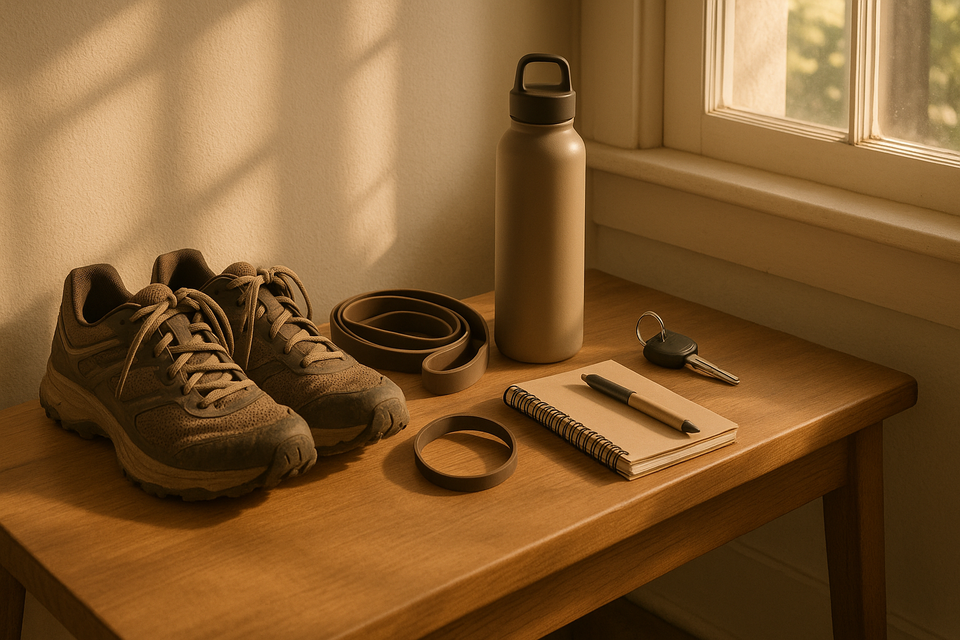
Start small. You don't need a full home gym or a dedicated recovery room to see benefits. A corner with resistance bands and a yoga mat, a bedroom with blackout curtains and a smart thermostat set to 65 degrees, or a kitchen with an accessible blender and proper ventilation all move you closer to a home that actively supports your health goals. The key is intentionality: design spaces with function in mind, not just aesthetics.
For readers planning equipment purchases, prioritize versatility. Free weights, adjustable benches, and resistance bands deliver more training options in less space than single-purpose machines. For sleep, focus on temperature control and lighting before investing in expensive mattresses or gadgets. For kitchens, proper ventilation and appliance accessibility drive healthier habits more reliably than elaborate meal prep systems.
As always, if you're managing a chronic condition, recovering from injury, or new to structured fitness or nutrition routines, consult a qualified healthcare professional or certified trainer before making significant changes to your environment or habits. The goal is to build spaces that support your specific needs, not to replicate someone else's wellness blueprint.
Sources & Further Reading
- Global Wellness Institute's 2025 Global Wellness Economy Monitor — comprehensive report on the $6.8 trillion wellness economy in 2024
- CivicScience data on home exercise habits and fitness equipment purchasing plans — survey findings on weekly home workouts and consumer intentions
- Sleep Foundation research on optimal bedroom temperature for consolidated sleep — clinical guidance on the 60 to 67 degree Fahrenheit range
- EPA guidance on indoor air quality and cooking emissions — information on nitrogen dioxide, carbon monoxide, and ventilation best practices
Editorial coverage of publicly reported health, fitness, wellness, nutrition, and active living developments. Move Weekly has no commercial relationship with any companies, gyms, studios, brands, events, experts, products, or organizations named.