From Hydration to Biohacking: Functional Beverages in 2026
Functional beverages reached $142 billion in 2026 as Americans use drinks as precision wellness tools for hydration, gut health, protein, and stress relief.
Key Takeaways
- Functional beverages have become mainstream wellness tools: The healthy drinks industry reached $142 billion in 2026, with 80% of Gen Z and 75% of millennials consuming functional beverages regularly as part of daily health routines.
- Electrolyte drinks are moving beyond sports recovery: Americans now use electrolyte drinks in coffee shops, offices, and morning routines for everyday hydration, with the category showing 155.8% year-over-year growth and North America's electrolyte powder market growing at 9.0% annually through 2030.
- Kombucha is surging as a lifestyle beverage: The global kombucha market reached $2.4 billion in 2025 and is projected to hit $15.38 billion by 2035, driven by North American consumers seeking probiotic benefits, clean energy, and alcohol alternatives combined with adaptogens like ashwagandha and reishi.
- Protein drinks saw 122% growth from 2020 to 2024: Gen Z is driving demand for high-protein shakes and drinks, with 61% of U.S. consumers increasing their protein intake in the past year.
- Consumers want immediate, measurable results: Americans prioritize functional specificity over broad wellness claims, seeking post-workout drinks with defined protein content, gut health sodas with prebiotics, and sleep beverages formulated with melatonin or magnesium for daily benefits like improved mood, energy, and mental clarity.
Why Americans Are Rethinking What Beverages Can Do
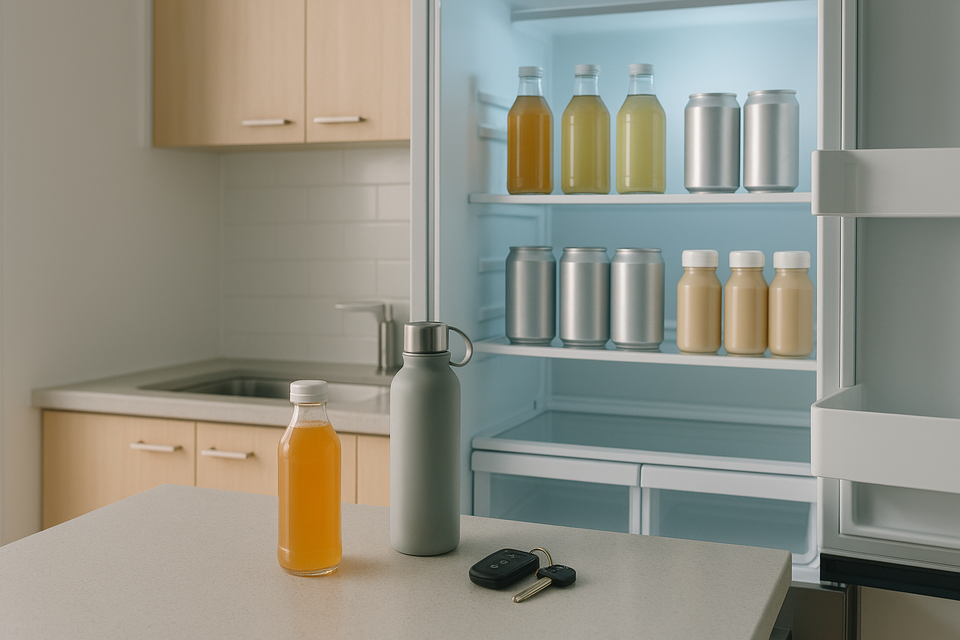
The way Americans use beverages has fundamentally changed. In spring 2026, drinks are no longer just about quenching thirst or providing a caffeine boost. They have become precision wellness tools designed for specific health outcomes, from gut health and mental clarity to post-workout recovery and stress management.
The global electrolyte drinks market was valued at $39.93 billion in 2025 and is projected to reach $82.12 billion by 2034. Within the broader category, the healthy drinks industry reached $142 billion in 2026, with functional beverages leading growth. About 80% of Gen Z and 75% of millennials consume functional beverages regularly, signaling that this shift from passive refreshment to proactive wellness is generational and likely permanent.
What matters now is not whether functional beverages are popular, but how consumers are integrating them into daily routines. Electrolyte drinks are showing up in coffee shops, offices, and morning routines, no longer reserved for athletes or post-run recovery. Instead, they appear in everyday moments when people simply want to stay hydrated and feel normal throughout the day.
Electrolytes Move from the Gym to the Kitchen Counter
The electrolyte category is experiencing explosive growth precisely because it has escaped the sports performance niche. The category showed 155.8% year-over-year growth, with another 115.4% predicted increase in the coming year. North America dominated the sports drink market with a 33.54% share in 2025, and the electrolyte powder market in North America is expected to grow at a 9.0% annual rate from 2024 to 2030.
Search queries for products like Gatorade pods, Pedialyte for adults, and cucumber Gatorade reflect how consumers are rethinking hydration as a wellness ritual rather than a recovery tactic. Athletes and fitness enthusiasts prefer electrolyte powders for their easy portability, quick dissolvability in water, and precise control over electrolyte intake compared to traditional sports drinks.
This shift matters because it normalizes the idea that hydration can be optimized, not just adequate. Americans are moving beyond the basic recommendation to drink eight glasses of water a day and instead asking what their water should contain to support energy, focus, and recovery throughout a normal workday.
Kombucha Becomes a Daily Habit, Not a Health Experiment
Kombucha has crossed from wellness niche to lifestyle staple. The global kombucha industry reached $2.4 billion in 2025 and is projected to grow to $15.38 billion by 2035, registering a 20.4% compound annual growth rate. North America holds the largest share of the global kombucha market, driven by early adoption of health and wellness trends, especially in the United States.
What distinguishes kombucha in 2026 is its positioning as a clean energy source and alcohol alternative that fits into daily rituals. It now competes with coffee for morning focus and with beer or wine for evening relaxation. Kombucha is being combined with adaptogens and nootropic ingredients like ashwagandha, reishi, and lion's mane to deliver multiple benefits, and flavors to watch in 2026 include yuzu, hibiscus, butterfly pea flower, pomegranate, and cucumber-mint.
Leading brands Poppi and Olipop have turned probiotic soda into a wellness statement, with Poppi seeing 28.0 million average weekly views and strong paid promotion fueling awareness. Probiotic soda showed 79.13% year-over-year growth in popularity, with predicted 38.5% gains into 2026.
Protein Drinks Go Mainstream as Americans Prioritize Protein Intake
Protein beverages have moved from niche bodybuilding supplement to everyday wellness essential. The number of high-protein shakes and drinks on the market rose by 122% from 2020 to 2024, according to Innova Market Insights, with Gen Z driving most of the online conversation around the beverages. 61% of consumers in the U.S. increased their protein intake last year.
This surge reflects growing awareness that protein supports not just muscle building but also satiety, metabolism, and recovery from everyday physical activity. Protein drinks now appear in grab-and-go breakfast routines, post-workout refueling, and as a convenient snack replacement for busy professionals and parents who want to maintain energy and avoid mid-afternoon crashes.
Adaptogens and Mood Beverages Target Stress and Focus
Adaptogen drinks represent a different kind of functional specificity: mental and emotional wellness. Adaptogen drinks with ashwagandha jumped 30% from last year, marketed to cut stress without the jittery side effects of coffee. Mood and mental wellness beverages include adaptogenic and mushroom essences, like lion's mane, that help combat stress, boost energy, and improve focus.
This category reflects a broader consumer desire for immediate, measurable results. Americans want beverages that deliver practical daily benefits like improved mood, energy, digestion, and mental clarity, rather than vague long-term health promises. The shift is from reactive self-care to proactive wellness rituals, where consumers integrate functional drinks into morning, afternoon, and evening routines as foundational lifestyle tools rather than emergency fixes.
Customization and Functional Specificity Replace Generic Wellness Claims
The maturation of the functional beverage market is marked by increasing consumer sophistication. Consumers desire customizable health solutions tailored to meet individual needs, like electrolyte balances, varied caffeine levels, and cognitive enhancement. They are moving beyond maximizing individual nutrients and instead gravitating toward beverages formulated with ingredients that work together to deliver broader, more holistic wellness benefits.
A beverage approach focused on a specific, measurable health outcome rather than a broad wellness claim has become the norm. Examples include post-workout drinks with defined protein content, gut health sodas with prebiotic positioning, or sleep beverages formulated with melatonin or magnesium. This represents a critical distinction: consumers want functional specificity, not generic wellness messaging.
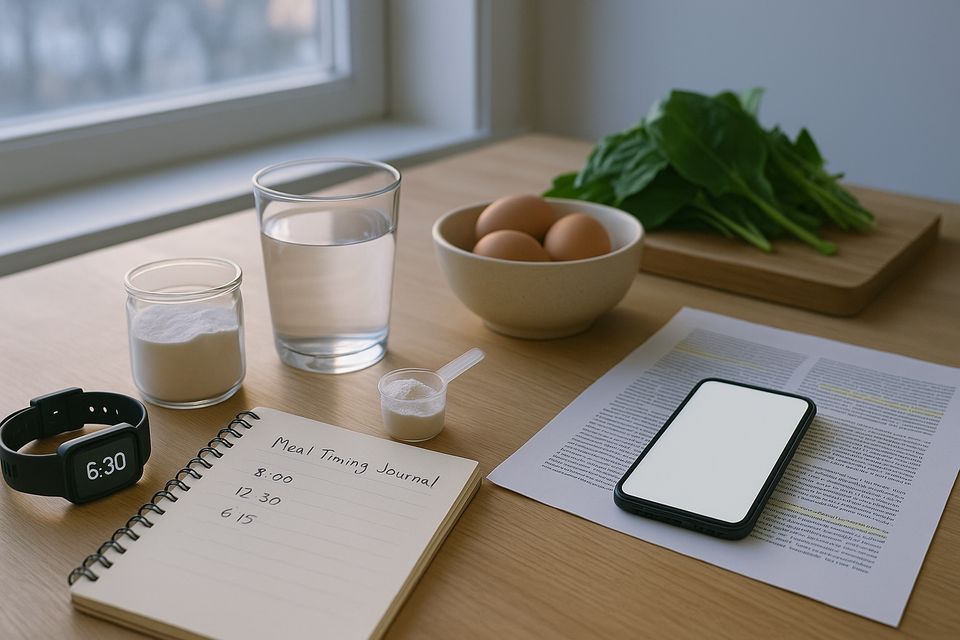
Morning routines now commonly include nootropic beverages for focus and clarity, mid-afternoons are punctuated by replenishing hydration plus adaptogens, and evenings invite calming botanical blends designed to ease the body into rest. The ritual-based wellness moment of 2026 is about integrating functional beverages seamlessly into the rhythms of daily life.
What This Means for Readers
Editorial analysis — not reported fact:
If you are curious about functional beverages but overwhelmed by options, start by identifying a specific need rather than chasing trends. Do you want better hydration during a busy workday? An electrolyte powder or drink may help you stay focused and energized without relying solely on coffee. Looking for gut health support? Kombucha or probiotic sodas offer a flavorful alternative to sugary soft drinks with potential digestive benefits. Need a convenient protein source after morning workouts or as a snack replacement? High-protein drinks can fit easily into grab-and-go routines.
The key is to treat functional beverages as tools, not magic bullets. Read labels carefully to understand what specific ingredients are included and in what amounts. Look for products with transparent sourcing and clear health claims backed by research or reputable organizations. Be wary of beverages that promise everything and deliver vague wellness language without specificity.
For everyday consumers, the practical takeaway is that beverages can now play a more intentional role in supporting energy, recovery, mood, and overall wellness throughout the day. Experiment with one category at a time, pay attention to how your body responds, and adjust based on what feels genuinely helpful rather than what is trending online. Functional beverages work best when they complement a balanced diet, regular physical activity, adequate sleep, and stress management, not replace them.
If you have specific health conditions, take medications, or are pregnant or nursing, consult a qualified healthcare professional before adding functional beverages with adaptogens, high protein content, or other bioactive ingredients to your routine.
Sources & Further Reading
- Grand View Research: Electrolyte Drinks Market Report — Market size, growth projections, and industry trends for electrolyte beverages globally through 2034
- Grand View Research: North America Sports Drink Market Report — Regional market analysis and U.S. sports drink market projections through 2032
- Grand View Research: North America Electrolyte Powder Market Report — Growth trends and consumer preferences for electrolyte powders in North America
- Business Wire: Healthy Drinks Industry Report 2026 — Market scale and category leadership for functional beverages
- PR Newswire: Kombucha Market Growth Projections Through 2035 — Global kombucha industry valuation and growth forecasts
- Grand View Research: Kombucha Market Analysis — Regional market share and North American kombucha trends
- Food Dive: Gen Z and Millennial Functional Beverage Consumption — Consumer behavior data on functional beverage adoption by generation
- Food Dive: High-Protein Drinks Market Growth 2020-2024 — Innova Market Insights data on protein beverage expansion and Gen Z engagement
Editorial coverage of publicly reported health, fitness, wellness, nutrition, and active living developments. Move Weekly has no commercial relationship with any companies, gyms, studios, brands, events, experts, products, or organizations named.