Building Your Wellness Home in 2026: Sleep, Fitness & Recovery
From sleep sanctuaries with smart temperature control to functional home gyms and wellness kitchens, Americans are turning living spaces into health hubs in 2026.
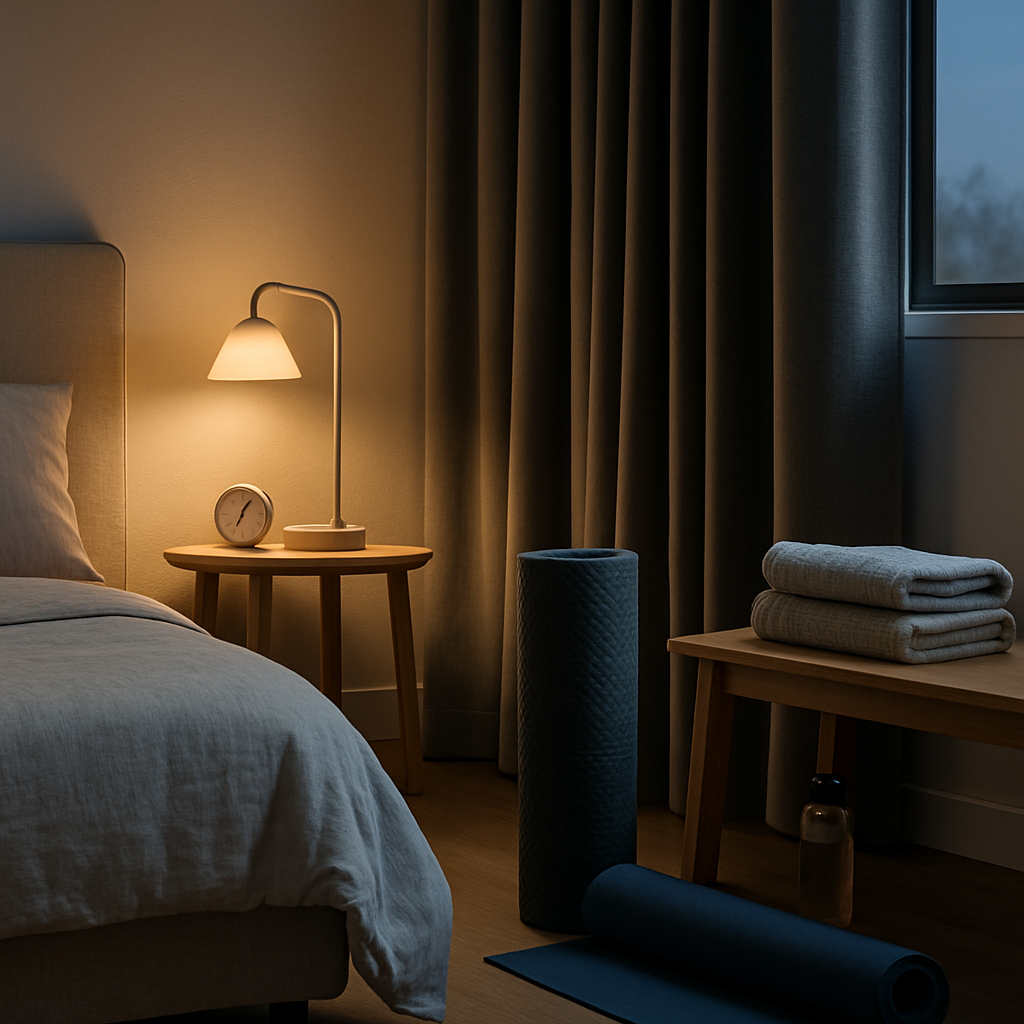
Key Takeaways
- Sleep sanctuaries are now mainstream: Americans are investing in cool-temperature bedrooms (60-67°F), blackout systems, and smart mattresses like Eight Sleep, which boosted deep sleep 16% in a 2025 user study, as research ties sleep regularity to lower mortality risk and reduced cardiometabolic disease.
- Home gym equipment market reaches $12.88 billion in 2025: Projected to hit $22.99 billion by 2034, with 63% of fitness app users exercising at home weekly, free weights and treadmills topping purchase lists, and yoga and Pilates interest jumping four percentage points this year.
- Recovery corners are as important as workout spaces: 2026 home fitness prioritizes functional movement and post-workout restoration, with foam rollers, massage guns, breathwork tools, and infrared therapy supporting both muscle recovery and nervous system regulation.
- Wellness kitchens reduce friction for healthy eating: Purposeful storage, efficient appliances, and clutter-free layouts make nutritious meal prep easier and support family connection, with designers emphasizing return on investment beyond resale value.
- Wearables track recovery, not just workouts: Devices like WHOOP and Oura Ring use polysomnography-validated sleep staging and daily readiness scores, shifting focus from exercise metrics alone to holistic restoration and energy management.
- Home wellness is multidimensional and flexible: In 2026, Americans define health through functional resilience, integrating light exposure, air quality, movement, nutrition, mental health, and social connection into everyday routines rather than extreme protocols.
Why Americans Are Turning Their Homes Into Wellness Hubs in 2026
The American home is quietly becoming the center of health and recovery. As remote and hybrid work reshape daily life in 2026, people are investing in spaces that support focus, relaxation, and restoration without requiring major renovations. The shift reflects a broader recognition that wellness is multidimensional: nutrition, movement, mental resilience, environment, rest, social connection, and purpose all matter, and the home is where these elements intersect most naturally.
This isn't about chasing fads or extreme protocols. It's about building environments that make healthy choices easier and that fit into real, busy lives. From blue-light management for better sleep to functional fitness corners and wellness kitchens designed for meal prep efficiency, the 2026 approach to home wellness is intentional, flexible, and grounded in measurable outcomes like energy, mood, and metabolic health.
Sleep Sanctuaries: From Afterthought to Health Priority
Sleep was treated like a leftover for decades, something to squeeze in after everything else. Now it's the main event. Harvard Medical School analysis of the viral "sleepmaxxing" trend confirms that evidence-based strategies like decreasing caffeine and alcohol, increasing physical activity, consistent sleep timing, reducing evening light exposure, limiting daytime naps, and maintaining a cool bedroom all support better rest, while some popularized tactics lack research backing.
New evidence indicates sleep regularity has a stronger link to mortality risk than total sleep duration alone, with reviews continuing to tie inadequate sleep to cardiometabolic disease. That puts nightly recovery on the same tier as nutrition and exercise for long-term health. The sleep tech device market, valued at $30 billion, is projected to quadruple by 2034 as consumers seek measurable improvements in rest quality.
Bedroom Environment Design That Works
The bedroom of 2026 is an integrated wellness environment. Scientific research increasingly confirms that the physical conditions in which we sleep are as important as the habits we bring to them. Temperature, air quality, light exposure, noise, and bedding materials all measurably affect restorative rest. The best bedrooms maintain a slightly cool temperature, ideal for sleep between 60-67°F (15-19°C), and can automatically adjust throughout the night to support different sleep stages.
Mattresses engineered for personalized comfort and temperature regulation, breathable bedding materials, blackout systems, and acoustic management solutions are being integrated into the sleep ecosystem. Eight Sleep's temperature-autopilot mattress boosted deep sleep 16% in a 2025 user study, while Oura Ring's polysomnography-validated sleep staging helps users track and optimize their recovery cycles with precision.
Why Blue Light Management Is No Longer Optional
According to Harvard Health, blue light disrupts melatonin production, delaying sleep onset and increasing anxiety. Evening screen exposure shifts circadian rhythms, making it harder to fall asleep and reducing overall sleep quality. Unplugging before bed, using warm-spectrum lighting after sunset, and incorporating blackout curtains or sleep masks are now standard components of sleep optimization, not luxury extras.
Home Gyms and Movement Spaces That Fit Real Lives
The global home fitness equipment market reached $12.88 billion in 2025 and is projected to hit $22.99 billion by 2034, growing at 6% annually. This growth is driven by practical shifts: 63% of fitness app users engage in weekly home exercises, and free weights top the list of planned home gym purchases, followed by treadmills, general home gym equipment, and yoga accessories.
Homeowners are turning small corners, balconies, or even living rooms into workout zones. The focus is on versatility, using movable racks, foldable benches, and wall-mounted storage to optimize every inch. Cardio (32%) and strength training (28%) still lead regular exercise routines, but interest in yoga and Pilates has seen the largest increase, jumping four percentage points from 13% to 17% this year.
Functional Fitness and Recovery-First Design
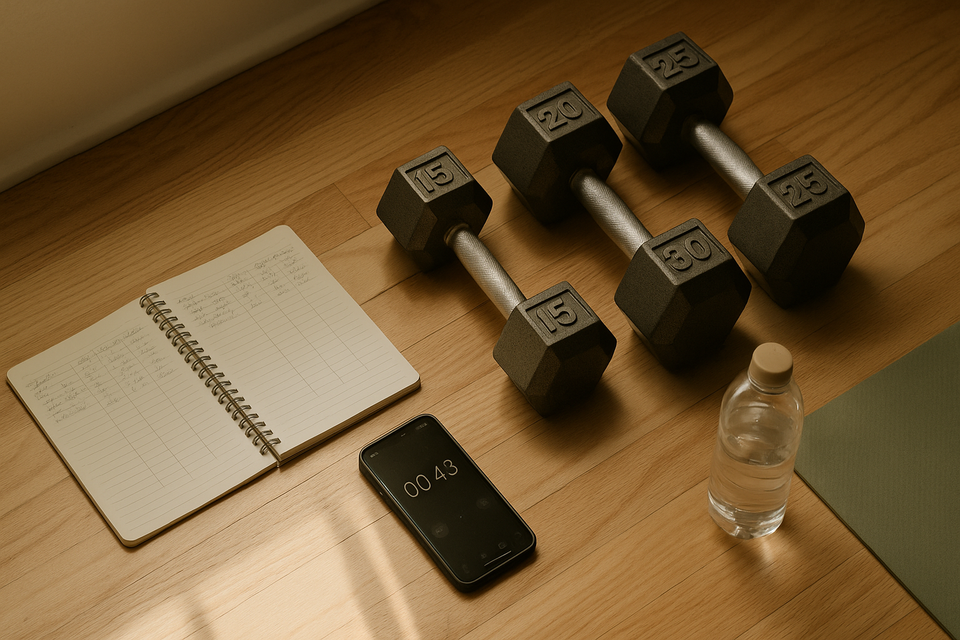
2026 sees a major shift toward training that improves everyday movement and prioritizes recovery. Functional equipment that mimics real-life motions helps build practical strength, while recovery tools become essential for maintaining progress and preventing injury. Technology-driven dumbbells sync with apps to track repetitions, adjust resistance, and guide virtual workouts, ideal for those who want real-time feedback without bulky machines.
Recovery corners with yoga mats, foam rollers, and massage guns promote mindfulness and stress relief, mixing mental health with physical fitness. Recovery now includes breathwork and guided meditation sessions for nervous system regulation, percussion therapy tools for quick muscle recovery, and infrared therapy to help balance both body and mind. Fitness isn't just about lifting anymore; it's about balance and restoration.
Wellness Kitchens: Making Healthy Eating the Default
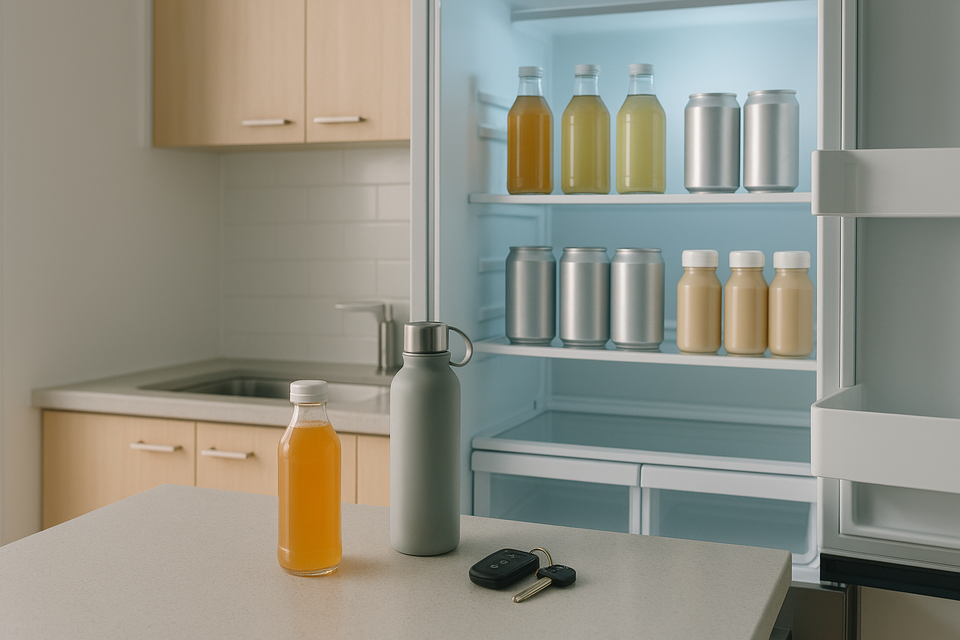
The "wellness kitchen" is a space designed to make healthy choices easier and unhealthy defaults harder. This is achieved through purposeful storage, efficient appliances, intentional layout, reduced clutter, and functional tools. Expert designer Ashley Macuga stated that "The return on investment goes far beyond resale value — it's about creating a space that supports family connection and everyday wellness."
Over the past year, more people have shifted toward structured home meal systems, not because they suddenly love cooking, but because they've realized that convenience and nutrition don't have to be opposites. The key is designing your kitchen around flexibility, freshness, and minimal friction: keeping produce visible and accessible, storing healthy snacks at eye level, and using appliances that reduce prep time without sacrificing quality.
Wearables That Track Recovery, Not Just Workouts
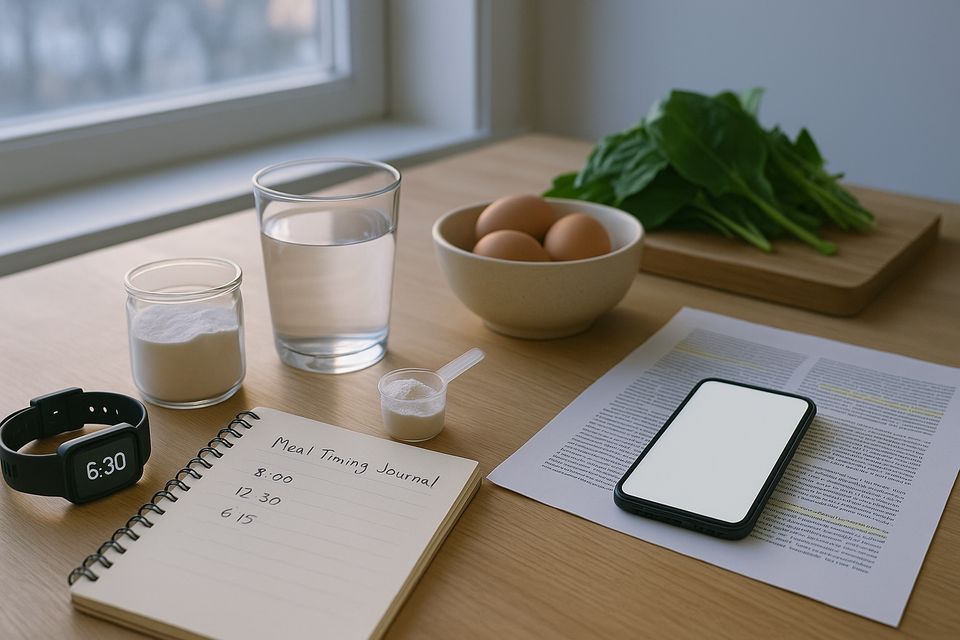
WHOOP has continued growing because of its focus on recovery tracking rather than only workouts, monitoring sleep, recovery strain, and daily readiness. This appeals to people interested in performance optimization and routine management. The shift from exercise-only metrics to holistic restoration reflects a broader understanding that gains happen during rest, not just during effort.
Devices like Oura Ring and WHOOP use validated sleep staging and recovery algorithms to help users understand when to push and when to pull back, turning abstract feelings of fatigue or readiness into actionable data. In 2026, wearables are less about step counts and more about energy management, helping users align their routines with their body's actual recovery state.
What This Means for Readers
Editorial analysis — not reported fact:
Building a wellness home doesn't require a complete renovation or a five-figure budget. Start with the space that affects you most: your bedroom. Measure your bedroom temperature and aim for 60-67°F at night. Invest in blackout curtains or a quality sleep mask. Limit screen time in the hour before bed, or use blue-light blocking settings on devices. These changes cost little and deliver measurable improvements in energy and mood.
If you work from home or have flexibility in your schedule, carve out a movement corner. You don't need a full gym. A set of adjustable dumbbells, a yoga mat, and a foam roller can support strength training, mobility work, and recovery in a space no larger than a closet. Use a fitness app that tracks progress and provides structure, especially if you're new to home workouts or need accountability.
For your kitchen, focus on reducing friction. Store healthy snacks where you see them first when you open the pantry or fridge. Prep vegetables on Sunday so weeknight meals come together faster. Use clear containers so you know what you have. The goal isn't perfection; it's making the healthier choice the easier choice more often.
If you're considering wearables, choose one that tracks recovery and sleep quality, not just activity. Understanding your readiness score can help you decide whether today is a hard training day or a recovery walk day, reducing injury risk and improving long-term consistency.
Home wellness in 2026 is about creating systems that support your health without adding stress. Small, intentional changes to your environment compound over time, turning your living space into a foundation for resilience, energy, and sustainable well-being.
Sources & Further Reading
- Grand View Research: Home Fitness Equipment Market Report 2025-2034 — market size, growth projections, and consumer adoption data
- Harvard Medical School: Sleepmaxxing — Social Media Trend or Science-Backed Sleep Strategy — evidence-based sleep optimization strategies and myth-busting
- Harvard Health: Blue Light Has a Dark Side — research on blue light, melatonin disruption, and circadian rhythm effects
- Eight Sleep — smart sleep system with temperature regulation and sleep tracking
- Oura Ring — wearable with polysomnography-validated sleep staging and readiness scoring
- WHOOP — recovery-focused wearable tracking sleep, strain, and daily readiness
Editorial coverage of publicly reported health, fitness, wellness, nutrition, and active living developments. Move Weekly has no commercial relationship with any companies, gyms, studios, brands, events, experts, products, or organizations named.