Inclusive Fitness Reshapes Who Can Move in 2026
Americans will spend $60 billion on fitness in 2026, with 86% saying gym access matters. Adaptive gyms, plus-size studios, and disability certifications are now mainstream.
Key Takeaways
- Consumer spending on inclusive fitness: Americans plan to spend an estimated $60 billion in 2026 to support health, fitness, and exercise goals, with 86% saying access to gyms and studios is important to achieving those goals.
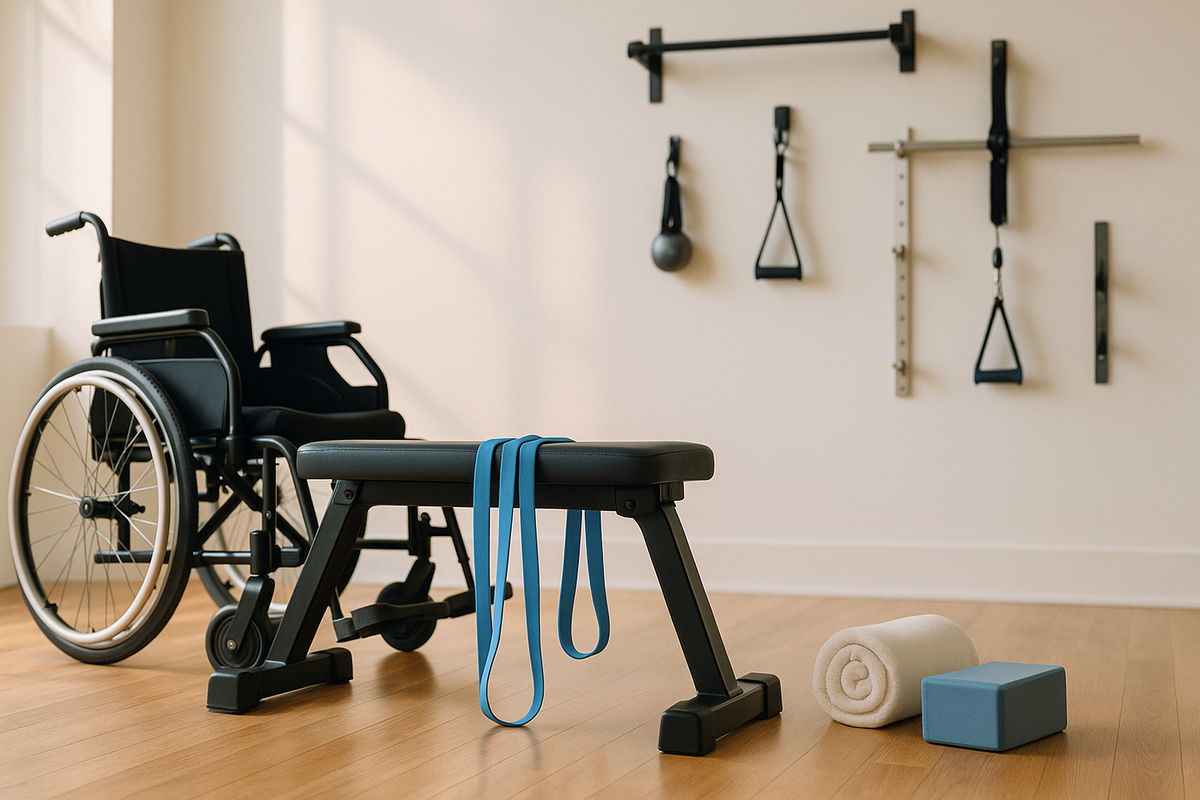
- Adaptive fitness goes mainstream: Brick-and-mortar gyms like Everybody Los Angeles, Radically Fit Oakland, FORM FITNESS in Brooklyn, and Power Plus Wellness now offer gender-neutral spaces, accessible workouts, and HAES-aligned programming as core business strategy, not niche add-ons.
- Plus-size fitness infrastructure expands: The Low Impact Studio in Charlotte and the Big Fit Girl app, founded by coach Louise Green, provide beginner-friendly, low-impact strength and boxing programs with PDF tracking and movement tutorials for all levels.
- Disability-inclusive certification launches: The American College of Sports Medicine and the National Center on Health, Physical Activity and Disability now offer an Inclusive Fitness Specialist Certificate Course online for $249 ($199 for ACSM members) to train fitness professionals in adaptive programming.
- Specialized adaptive training centers scale: Special Strong, founded in 2016, has trained over 1,500 children, adolescents, and adults with mental, physical, and cognitive challenges using a science-based adaptive fitness model, while Optimal Sport and Fitness has worked with over 200 individuals with intellectual and developmental disabilities.
- LGBTQ+ and BIPOC spaces grow: Queer- and trans-centered studios like OutBox Gym and Ascent Fitness in Tacoma create fat-positive, anti-diet spaces that reject weight stigma, with beginner classes and first-timer discounts to lower barriers to entry.
Why Inclusive Fitness Became a Mainstream Business Strategy in 2026
More than half of US adults in 2026—roughly 151 million people, or 56%—plan to set personal goals for the year ahead, with 54% citing health, fitness, and exercise as their focus. That represents approximately 82 million Americans actively seeking movement opportunities. Yet 58% of people report feeling self-conscious when trying new fitness activities, revealing a persistent gap between desire and participation.
In spring 2026, that gap has become a market opportunity. Americans plan to spend an estimated $60 billion this year to support their fitness goals, and 86% say access to gyms, studios, or other fitness facilities will be important to achieving those goals, including 61% who consider it very important. The spending reflects rising consumer expectations: clients want fitness spaces where they feel welcome, respected, and understood, pushing personal trainers and gym operators to think beyond one-size-fits-all programming.
Inclusive fitness has shifted from niche offering to core strategy, driven by demand for safety, representation, and access across all body types, abilities, gender identities, and ages. Gen Z, a growing market force, expects inclusive, mental health-oriented, and culturally relevant wellness experiences, and fitness operators who meet these unmet needs can tap into new revenue streams and differentiate themselves in a saturated market.
Brick-and-Mortar Gyms Leading the Inclusive Fitness Movement
Specific US-based brands are pioneering inclusive programming as foundational business practice. Gyms like Everybody Los Angeles and Radically Fit Oakland are reshaping what "fit" means, with gender-neutral spaces, accessible workouts, and inclusive programming that builds supportive communities growing organically through word of mouth.
Body positive activist and personal trainer Morit Summers opened FORM FITNESS, a brick-and-mortar training gym in Brooklyn, dedicated to an all-inclusive fitness philosophy. Power Plus Wellness offers members a mindful, HAES-aligned space to access events and private classes like aerial yoga, water aerobics, reformer Pilates, dance classes, and expert-led talkbacks on topics that matter.
The Low Impact Studio in Charlotte is the city's first plus-size fitness studio, specializing in beginner-friendly low-impact workouts for healthy lifestyle living and body positivity support. In Tacoma, Ascent Fitness welcomes anyone looking to improve strength and personal health, with a mission to support individuals of all body sizes, identities, and backgrounds through joyful movement, proudly operating as a queer-friendly and fat-positive, anti-diet space that rejects harmful weight stigma.
LGBTQ+ and BIPOC Fitness Spaces Expand Access
LGBTQ+ and BIPOC fitness communities are building dedicated facilities and lowering barriers to entry. OutBox Gym is a queer- and trans-centered boxing and fitness studio offering a welcoming, beginner-friendly space for all bodies and identities, with first-timers getting 50% off a class plus a free Wednesday fitness session.
These spaces emphasize psychological safety alongside physical programming. According to reporting on inclusive fitness trends, inclusive gyms and trainers attract more diverse clientele, and when clients feel seen, they stay longer and refer friends, creating sustainable growth.
Plus-Size Fitness Apps and Online Coaching Scale Nationally
Louise Green has been coaching plus-size athletes since 2008, offering several online coaching programs and the Big Fit Girl app. Big Fit Girl is a mid-level fitness app that offers programs for all levels of fitness, with highlights including a 12-week strength training program, boxing tutorials, and daily workout challenges, providing easy-to-follow programs with PDF tracking sheets and tutorials for each movement, plus alternate movements for all levels.
Online platforms democratize access for people who may not live near inclusive brick-and-mortar gyms or who prefer to build confidence at home before joining a studio. The app model also addresses the 58% of people who report self-consciousness in new fitness settings by offering private, self-paced entry points.
Disability-Inclusive Certification and Adaptive Training Programs
The American College of Sports Medicine (ACSM) has partnered with the National Center on Health, Physical Activity and Disability (NCHPAD) to bring the Inclusive Fitness Specialist Certificate Course, an online program designed to equip fitness professionals with the skills and knowledge needed to create inclusive, safe, and effective fitness environments for people with disabilities. At $249, or $199 for ACSM members, the course is intended for fitness trainers, adapted physical educators, sport team coaches, therapists, and persons with disabilities.
Specialized adaptive training centers are scaling nationally. Special Strong, launched in 2016 by Daniel and his wife, Trinity, is one of the only fitness centers in the country for individuals with mental, physical, and cognitive challenges, continuing to specialize in adaptive and inclusive fitness training. Special Strong adaptive special needs personal trainers have used their scientific CBSE adaptive fitness training model to train over 1,500 children, adolescents, and adults with mental, physical, and cognitive challenges.
Optimal Sport and Fitness has over 10 years of experience in adaptive fitness training, with all trainers being experienced and certified personal trainers, having worked with over 200 persons with different kinds of intellectual and developmental disabilities.
Trauma-Informed and Beginner-Focused Onboarding
Inclusive fitness also means rethinking how gyms welcome newcomers. According to fitness industry guidance on inclusive practices, newcomers often feel anxious or overwhelmed, and meeting them with compassion and clarity through onboarding programs or beginner-only classes makes it clear that everyone starts somewhere. The initial interaction at a gym can set the tone for a beginner's entire experience, with a personalized welcome being crucial.
Trainers are expanding their offerings through adaptive programs, trauma-informed coaching, or services for older adults, neurodivergent clients, or beginners. Clients want fitness spaces where they feel welcome, respected, and understood, pushing personal trainers to adopt weight-inclusive fitness approaches, adaptive options, trauma-informed communication, and coaching that honors different bodies, abilities, and backgrounds.
What This Means for Readers
Editorial analysis—not reported fact:
If you have felt self-conscious trying a new gym, hesitated because you did not see people who look like you in fitness marketing, or wondered whether a trainer would understand your body, ability, or starting point, 2026 offers more options than ever before. The businesses profiled here are not experimental outliers. They represent a structural shift in how the fitness industry defines its customer base and designs its services.
For beginners, plus-size individuals, people with disabilities, LGBTQ+ and BIPOC communities, older adults, and anyone who has felt excluded from traditional gym culture, the rise of inclusive gyms, adaptive training certifications, and online coaching platforms means you can now choose environments that center your safety, dignity, and goals. Look for gyms that explicitly describe their values on their websites, offer beginner-only classes or orientations, use diverse imagery, and train staff in trauma-informed or adaptive practices.
For active adults already comfortable in fitness spaces, consider that your gym's approach to inclusion affects whether your friends, family members, or neighbors feel they can join you. Supporting inclusive businesses and holding mainstream gyms accountable for accessibility, representation, and staff training helps expand who gets to move.
If you are working with a personal trainer, ask about their experience with adaptive programming, trauma-informed coaching, or inclusive communication. Certifications like the ACSM Inclusive Fitness Specialist credential signal that a trainer has invested in understanding how to serve diverse clients safely and effectively. If you are a fitness professional, the $199-$249 investment in that certification could unlock new client segments and differentiate your services in a competitive market.
As always, if you are managing a chronic condition, injury, disability, or are pregnant, consult a qualified healthcare professional before starting a new fitness program. Inclusive fitness environments should support that consultation process, not replace it.
Sources & Further Reading
- IHRSA press release on Americans' $60 billion fitness spending in 2026—consumer spending, goal-setting trends, and gym access data
- ACE Fitness on why inclusive fitness matters and how to get started—Gen Z expectations, trainer strategies, and business case for inclusion
- SELF report on plus-size fitness spaces—profiles of Everybody Los Angeles, Radically Fit Oakland, FORM FITNESS, Power Plus Wellness, The Low Impact Studio, Ascent Fitness, and OutBox Gym
- SELF guide to best fitness apps for plus-size exercisers—Louise Green's coaching history and Big Fit Girl app features
- Special Strong adaptive fitness training—founding story, CBSE model, and client outcomes
- Optimal Sport and Fitness adaptive training programs—experience with intellectual and developmental disabilities
Editorial coverage of publicly reported health, fitness, wellness, nutrition, and active living developments. Move Weekly has no commercial relationship with any companies, gyms, studios, brands, events, experts, products, or organizations named.