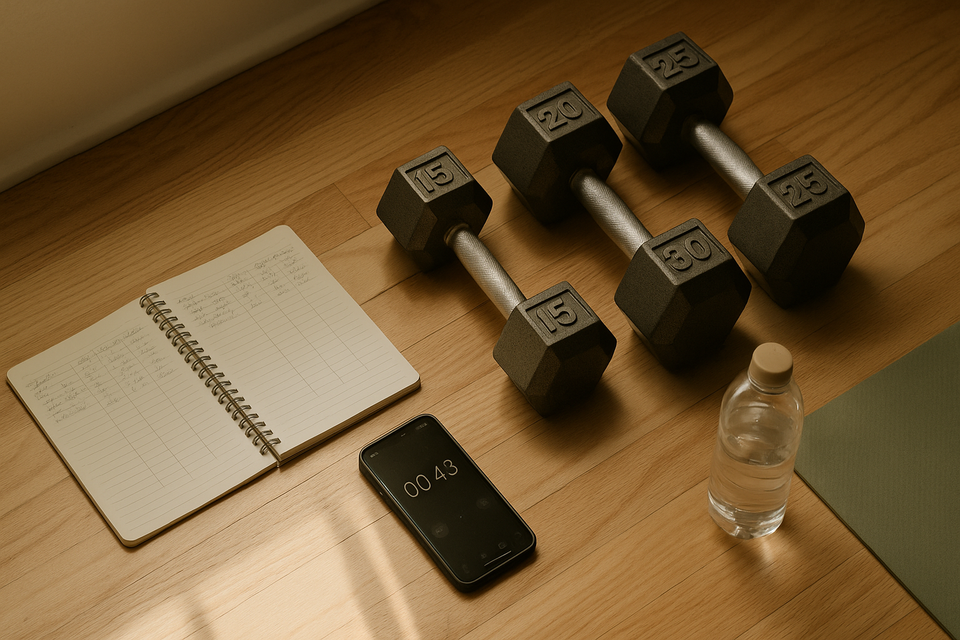
Why Americans Are Investing Billions in Biohacking in 2026
The global biohacking market hit $56.2 billion in 2026, driven by wearables, contrast therapy studios, and longevity protocols. What works, what's hype?
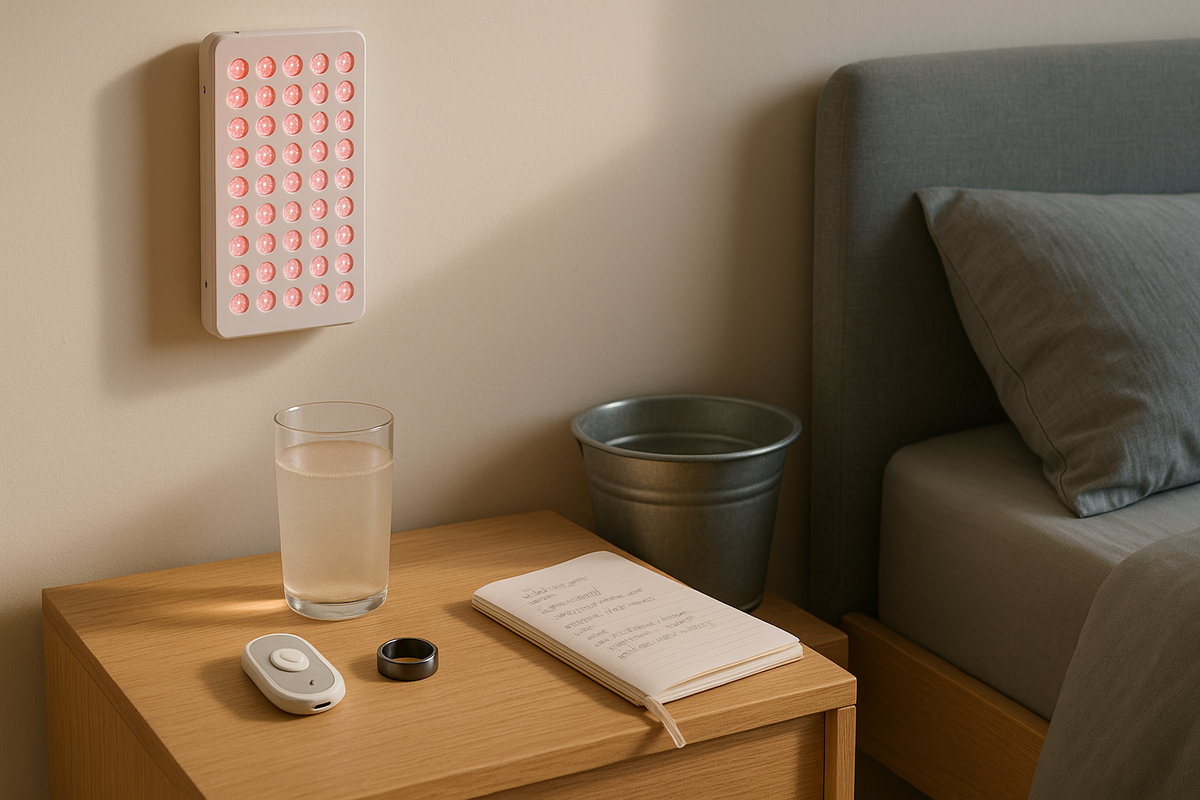
Key Takeaways
- Biohacking market growth: The global biohacking market reached $56.2 billion in 2026, up from $45.05 billion in 2025, with North America holding 38.3% of the global market share driven by U.S. consumer demand for personalized health technology and longevity optimization.
- Wearable adoption: 55% of regular exercisers in the United States now use wearables to monitor biometrics, with the wearables segment capturing 40.6% of the biohacking product market as devices shift from hardware specs to predictive health intelligence.
- Contrast therapy expansion: Premium studios offering infrared sauna and cold plunge services are rapidly scaling, with SWTHZ planning to open 100 new locations in the next 12 months and Perspire Sauna Studio approaching 100 studios open with over 200 in development nationwide.
- Hormesis principle: Controlled mild stressors including cold exposure, sauna use, intermittent fasting, and exercise activate the body's adaptive resilience pathways, a concept gaining mainstream traction among functional medicine practitioners and longevity researchers in 2026.
- Consumer spending intent: 70% of consumers plan to increase spending on longevity-focused products, with Millennials and Gen Z representing over 41% of annual biohacking spending as home wellness features become investment priorities.
- Smart rings over watches: Smart rings have become the preferred wearable format for 2026, delivering lab-quality sleep, heart rate variability, and blood oxygen data without screens, with newest models using predictive algorithms to detect potential illness 48 hours before symptoms appear.
Why Americans Are Spending Billions on Biohacking in 2026
Biohacking has moved decisively from fringe subculture to mainstream wellness spending in the United States. The global biohacking market grew to $56.2 billion in 2026, up from $45.05 billion in 2025, representing a compound annual growth rate of 24.8%. North America leads this expansion, capturing 38.3% of the global market in 2024 due to advanced healthcare infrastructure, significant personalized medicine investment, and high consumer interest in self-optimization.
This spending reflects a shift in how everyday Americans approach health. Rather than waiting for symptoms to appear, consumers are investing in tools and protocols that promise proactive resilience, deeper biological insight, and extended healthspan. Wearables dominate the product landscape with a 40.6% market share, while recovery studios, home sauna installations, and cold plunge tubs have become fixtures of middle-class wellness culture.
The trend is particularly strong among younger demographics. Millennials and Gen Z drive over 41% of annual biohacking spending, and 70% of consumers intend to increase spending on longevity-focused products as of spring 2026. For Move Weekly readers, the question is no longer whether biohacking is real, but which interventions deliver measurable benefit and which remain aspirational hype.
Hormesis and Controlled Stress: The Science Behind the Methods
At the core of many biohacking protocols is a biological principle called hormesis: the body's adaptive response to controlled, mild stressors that builds resilience and improves function over time. This concept underlies intermittent fasting, cold exposure, sauna bathing, and high-intensity interval training. The idea is that brief, manageable challenges prompt cellular repair mechanisms that strengthen the system when applied consistently.
Longevity researchers and functional medicine practitioners have championed this framework. Dr. David Sinclair discusses how mild stressors like fasting and exercise activate longevity pathways, while Dr. Andrew Huberman explores cold exposure and sauna use with emphasis on understanding physiological mechanisms, appropriate dosing, and individual variability. Both experts caution that "mild" is the operative term; excessive stress without adequate recovery can backfire.
For everyday readers, hormesis translates to practical routines: a three-minute cold shower after a workout, a 20-minute sauna session twice per week, or a 16-hour overnight fast. These interventions do not require extreme protocols or expensive equipment to deliver benefit, though the biohacking market has certainly provided premium options for those who want them.
Cold Plunge and Sauna Studios Scale Nationwide
Contrast therapy, alternating between heat and extreme cold, has become one of the fastest-growing segments of the wellness industry in 2026. SWTHZ, a premium contrast therapy studio offering infrared sauna, cold plunge, and vitamin-C showers, launched roughly twenty months ago and now operates 25 studios with plans to open 100 additional locations over the next 12 months. Perspire Sauna Studio is nearing 100 studios open with over 200 in development across the country.
Home installations are climbing as well. The estimated U.S. market size for cold plunges and saunas stands at over $8 billion today. Currently, 5% of U.S. households own a hot tub, while less than 1% own a cold plunge or sauna; if adoption matched hot tub penetration, the residential market could exceed $40 billion. A global market research firm estimates the infrared sauna market at approximately $1.89 billion in 2025, projecting growth to about $3.58 billion by 2032.
The appeal is both physiological and lifestyle-driven. Cold water immersion may offer benefits including reduced stress, improved sleep quality, and higher quality of life scores, while regular sauna use has been linked to improved cardiovascular health and reduced risk of all-cause mortality. Home wellness features are increasingly viewed through an investment lens, with buyers prioritizing cold plunge setups and sauna installations as signals of lifestyle orientation.
Wearables Compete on Intelligence, Not Hardware
In 2025 and into 2026, the health wearable space crossed a threshold: companies stopped competing on hardware specifications and started competing on predictive intelligence. 55% of regular exercisers in the United States now use wearables to monitor biometrics, and the devices they choose deliver real-time insights on sleep patterns, heart rate variability, blood oxygen levels, and recovery readiness.
Smart rings have officially overtaken watches as the preferred wearable format for 2026. These devices provide lab-quality data on sleep cycles and stress biomarkers without the bulk of a traditional screen. The newest models use predictive algorithms to warn of potential illness 48 hours before symptoms appear, turning wearables into early-warning systems rather than passive trackers.
Oura introduced Cumulative Stress, a long-term biomarker blending heart response, sleep continuity, temperature variation, and movement to show how the body accumulates and clears stress over roughly a month. WHOOP's latest hardware introduces a "Healthspan" metric that estimates pace of aging based on recovery patterns. The organizing logic for these flagship products is no longer step count or calorie burn, but stress load and recovery capacity.
Intermittent Fasting Protocols Sync with Circadian Rhythms
Intermittent fasting has evolved from a simple eating window into highly specific protocols that align with individual circadian rhythms. Research suggests time-restricted eating can have positive effects on metabolic health, potentially reducing body weight, improving glycemic control, and lowering cholesterol. Eating in a six-hour period and fasting for 18 hours can trigger a metabolic switch from glucose-based to ketone-based energy, with increased stress resistance, longevity markers, and decreased incidence of diseases including cancer and obesity.
New apps in 2026 sync with sleep data to recommend the exact hours to start and stop eating for maximum fat loss and cellular repair. Rather than generic 16:8 or 18:6 windows, these tools adjust daily based on sleep quality, activity level, and hormone fluctuations. The result is a personalized fasting protocol that adapts to the user's biology in real time.
For everyday readers, the takeaway is practical: consistency matters more than perfection, and even a 12-hour overnight fast can offer metabolic benefit. Those exploring longer fasting windows should monitor energy, mood, and performance, adjusting as needed. Individuals with a history of disordered eating, diabetes, or other metabolic conditions should consult a healthcare professional before beginning any fasting protocol.
Recovery Tech and Multimodal Wellness Franchises Expand Access
Restore Hyper Wellness + Cryotherapy is a franchise offering cryotherapy, HydraFacials, hyperbaric oxygen therapy, infrared sauna therapy, IV drip therapy, micronutrient testing, NAD+ therapy, compression therapy, photobiomodulation therapy, and stretch therapy. This multimodal model reflects a broader shift in the recovery space: consumers want access to multiple modalities under one roof, often on a membership basis.
The franchise model has democratized access to technologies once reserved for professional athletes or high-net-worth individuals. Monthly memberships range from $99 to $299, making regular recovery sessions financially accessible to middle-income professionals, parents, and active adults. The trade-off is convenience and variety over the personalized protocols available through private training or concierge wellness services.
What This Means for Readers
Editorial analysis — not reported fact:
The biohacking boom in 2026 offers everyday Americans unprecedented access to tools and insights that were once niche or prohibitively expensive. Wearables, fasting apps, cold plunges, and sauna studios are no longer fringe experiments; they are mainstream wellness infrastructure. For readers deciding where to invest time and money, the data suggests starting with the interventions that have the strongest research backing and the lowest barrier to entry.
A quality wearable ring or watch can deliver actionable sleep and recovery data for $300 to $400. A three-minute cold shower costs nothing and may improve stress resilience and sleep quality. A 20-minute sauna session twice per week, whether at a studio or at home, has cardiovascular benefits supported by peer-reviewed research. Intermittent fasting requires no equipment and can be tailored to fit work schedules, family routines, and social commitments.
The challenge is separating signal from noise. Not every biohacking protocol is backed by strong evidence, and not every expensive device delivers proportional benefit. Readers should prioritize interventions that fit their lifestyle, align with their health goals, and come from credible sources. The best biohack is the one you can sustain consistently over months and years, not the most extreme protocol or the most expensive gadget.
For those with chronic conditions, metabolic disorders, pregnancy, or a history of injury, consulting a qualified healthcare professional before adopting new protocols is essential. Biohacking should complement, not replace, evidence-based medical care.
Sources & Further Reading
- Global Biohacking Market Report 2026 — market size, growth rate, and regional analysis
- Grand View Research Biohacking Market Analysis — wearables market share, consumer spending intent, and demographic trends
- Dr. David Sinclair on Hormesis — longevity pathways and mild stressors
- Huberman Lab — cold exposure and sauna protocols with physiological context
- SWTHZ Contrast Therapy Studios — studio count and expansion plans
- Perspire Sauna Studio — franchise development and studio locations
- Infrared Sauna Market Report — market size and growth projections through 2032
- Cold Water Immersion Research — stress reduction, sleep quality, and quality of life outcomes
- Mayo Clinic on Sauna Health Benefits — cardiovascular health and mortality risk
- Oura Ring — Cumulative Stress biomarker and recovery tracking
- WHOOP — Healthspan metric and recovery-based aging estimation
- New England Journal of Medicine on Intermittent Fasting — metabolic switch, longevity markers, and disease risk reduction
- Restore Hyper Wellness + Cryotherapy — multimodal recovery franchise services
Editorial coverage of publicly reported health, fitness, wellness, nutrition, and active living developments. Move Weekly has no commercial relationship with any companies, gyms, studios, brands, events, experts, products, or organizations named.