Fitness Myths Debunked: Science vs. Social Media Hype
From spot reduction to detox cleanses, science reveals the truth behind persistent fitness myths still flooding social media in 2026.

Key Takeaways
- Spot reduction does not work: Hundreds of crunches won't burn belly fat. A 2021 meta-analysis of 13 studies with over 1,100 participants found that localized muscle training had no effect on localized fat deposits. Fat loss happens across the entire body, influenced by genetics, nutrition, and overall activity level.
- Strength training won't make women bulky: Building large amounts of muscle requires years of specific training and hormonal conditions most women don't naturally have. Strength training increases muscle tone, improves bone density, boosts metabolism, and reduces injury risk for everyone.
- Muscle cannot turn into fat: Muscle and fat are two different types of tissue. When people stop exercising, muscle mass decreases while fat may accumulate if calorie intake stays the same or increases, creating the illusion of transformation, but one tissue cannot convert into the other.
- Cardio alone is not the best weight-loss strategy: Strength training builds lean muscle mass, which increases resting metabolic rate so you burn more calories even at rest. A combination of cardio and strength training is most effective for long-term weight management.
- The "fat-burning zone" is misunderstood: While low-intensity exercise at 55-70% of maximum heart rate uses more fat for fuel as a percentage, higher-intensity work burns more total calories and builds metabolic capacity long-term.
- Your body detoxes itself: Organs like the liver and kidneys filter harmful substances naturally. Most "detox drinks" simply act as diuretics causing water weight loss, not actual toxin removal, and prolonged cleanses can lead to nutrient deficiencies, muscle loss, and metabolic slowdown.
Why Spot Reduction Remains the Most Persistent Fitness Myth
Doing hundreds of crunches won't burn belly fat. Despite decades of research showing otherwise, the idea that you can target fat loss in specific body areas remains one of the most widespread fitness misconceptions in 2026.
Fat loss happens across the entire body and is largely influenced by genetics, nutrition, and overall activity level, according to the American Council on Exercise. A randomized 12-week clinical trial found no greater improvement in reducing belly fat between people who undertook an abdominal resistance program in addition to changes in diet compared to those in the diet-only group. More recently, a 2021 meta-analysis of 13 studies involving more than 1,100 participants found that localized muscle training had no effect on localized fat deposits.
The persistence of this myth in infomercial advertising makes it one of the most commercially exploited misconceptions in fitness. As Americans continue to encounter targeted belly-fat products and "ab blaster" programs on social media, understanding that spot reduction simply doesn't work remains essential for making informed training decisions.
Why Strength Training Won't Make Women Bulky
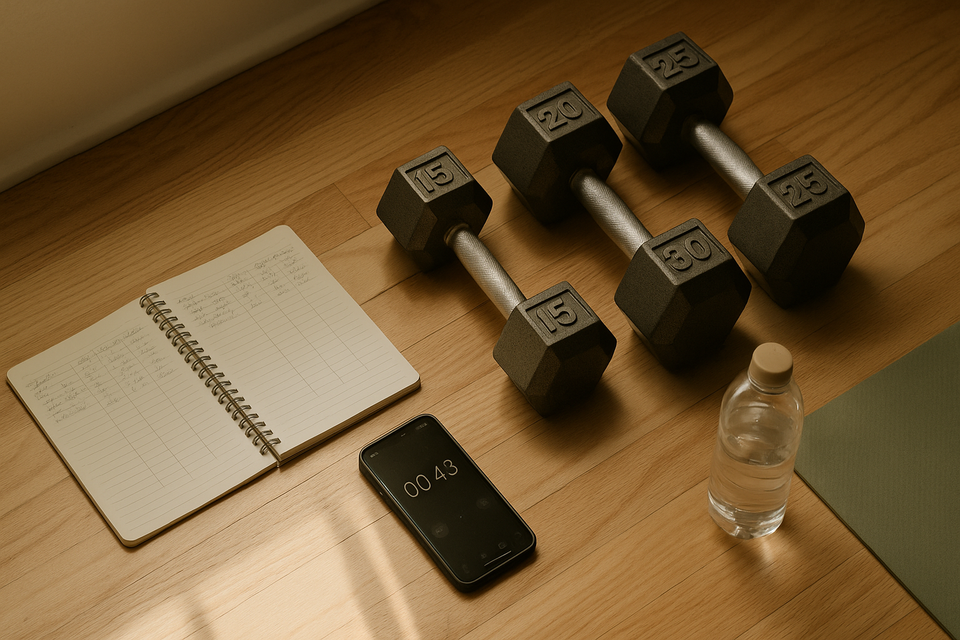
This myth has scared countless people, especially women, away from strength training due to the belief that lifting heavy dumbbells will lead to oversized muscles. The reality is far different.
Building large amounts of muscle requires specific training, years of consistent effort, and particular hormonal conditions. Men naturally have much higher testosterone levels than women, which is why they tend to gain muscle more easily. Women generally lack the hormonal environment needed to become "bulky" without extreme dedication and specific training programs designed for that exact purpose.
Strength training helps everyone by increasing muscle tone, improving bone density, boosting metabolism, and reducing injury risk. For women concerned about becoming too muscular, the biological reality makes unintentional "bulk" extremely unlikely under normal training conditions.
The Scientific Impossibility of Muscle Turning Into Fat
Muscle and fat are two different types of tissue, and one cannot magically transform into the other. This biological fact makes the "muscle turns to fat" claim scientifically impossible.
When people stop exercising, muscle mass decreases because the body no longer has a stimulus to maintain it. At the same time, if calorie intake remains the same or increases, fat may accumulate. These two processes occurring simultaneously create the illusion that muscle has "turned into" fat, but what's really happening is muscle loss and fat gain as separate, concurrent changes.
Beyond Cardio: Why Strength Training Matters for Weight Management
While cardiovascular exercise burns calories and improves heart health, it's not the only, or even the most effective, tool for weight management on its own.
Strength training builds lean muscle mass, which increases resting metabolic rate. This means you'll burn more calories even when you're not exercising. Cardio improves heart health and endurance in the moment, but muscle tissue remains metabolically active around the clock.
A combination of cardio and strength training is the most effective strategy. Cardio delivers cardiovascular benefits and burns calories during activity, while strength training builds muscle, enhances metabolism, and supports long-term weight management through increased baseline calorie expenditure.
Understanding the "Fat-Burning Zone" and Exercise Intensity
The "fat-burning zone" concept, popular on cardio equipment displays and fitness apps, presents a partial truth that leads to a misleading conclusion.
It is true that when working out at 55 to 70 percent of maximum heart rate, your body utilizes more fat than carbohydrate for fuel as a percentage of energy sources. The more intensely you exercise, the more your body turns to carbohydrate stores for energy.
However, the idea that staying in the "fat-loss zone" will optimize fat loss is a common myth. While low-intensity exercise burns a higher percentage of fat calories, it doesn't necessarily lead to greater overall fat loss. Higher-intensity work burns more total calories during the session and builds metabolic capacity long-term, often resulting in better outcomes for body composition despite using less fat as fuel during the workout itself.
Why Recovery Is as Important as Training Intensity
Consistency is far more important than hitting the gym daily. Putting too much focus on intensity can sometimes backfire, increasing the risk of injury and making fitness routines harder to stick with over time.
Adaptation to exercise depends not just on training stimulus but on the recovery that follows it. During the recovery period, adequately supplied with sleep, nutrition, and time, muscle protein synthesis exceeds breakdown, connective tissue remodels, and the neurological patterns underlying strength and coordination consolidate. When training load chronically exceeds recovery capacity, the signal cannot be processed, and the system begins to fail.
Muscle regeneration takes 24 to 72 hours, depending on training intensity and the muscle group involved. Isolated endurance sessions recover faster, around 24 hours, while heavy eccentric strength training sessions can take up to 72 hours before full recovery.
Protein Needs: Shakes Not Required
While protein is important for building muscle, you don't necessarily need protein shakes to meet your daily protein needs. You can get protein from a variety of whole foods, including chicken, fish, eggs, and beans.
Protein shakes can be a convenient way to get protein, but they are not necessary for building muscle. Protein intake should be personalized based on the individual's body weight and fitness goals, with a recommended range of 1.2 to 2.2 grams of protein per kilogram of body weight depending on the individual's activity level and goals.
Consuming protein shortly after workouts can enhance muscle protein synthesis, which is vital for muscle repair and growth. Whether that protein comes from a shake or a meal matters less than meeting overall daily protein targets and timing intake around training sessions.
Why Your Body Doesn't Need Detox Products
Your body is already equipped to detox on its own, with organs like your liver and kidneys playing crucial roles in filtering out harmful substances. This biological reality undermines the entire detox product industry.
While juices and teas might taste good or provide vitamins, they don't have magical cleansing abilities. Most "detox drinks" simply act as diuretics, making you lose water weight, not actual toxins. Your body does not need a detox program because it is designed to detoxify itself.
While you might see immediate weight loss during a detox, it's largely temporary. Extreme detox methods, like fasting or juice cleanses, often lead to a loss of water weight and muscle mass, but not fat. Once normal eating resumes, the weight typically returns.
Prolonged fasting and juice cleansing can lead to nutrient deficiencies, muscle loss, and a slowdown in metabolism. Juice cleanses, especially those high in fruit sugars, can cause spikes in blood sugar levels. Sweat is almost entirely water with a little bit of salt, and sweating is the body's way of cooling itself, not ridding itself of toxins.
What This Means for Readers
Editorial analysis — not reported fact:
As fitness advice floods social media in spring 2026, separating science-backed strategies from viral myths has become essential for making informed decisions about your health. If you've been avoiding strength training for fear of getting bulky, or spending hours doing crunches hoping to target belly fat, understanding these evidence-based realities can help you redirect your effort toward what actually works.
For everyday active adults and beginners, this means prioritizing a balanced approach: combine cardio and strength training rather than relying on cardio alone, allow adequate recovery time between intense sessions rather than training hard every single day, and meet protein needs through whole foods or convenient supplements as your schedule requires, not because marketing suggests protein shakes are mandatory.
For those tempted by detox programs or fat-burning zone fixation, recognizing that your body already detoxifies itself and that total calorie burn matters more than fuel source during exercise can save both money and wasted training time. The most effective fitness approach in 2026 remains what it's always been: consistent training across multiple modalities, adequate recovery, sound nutrition, and patience with a process that affects the whole body rather than isolated areas.
Sources & Further Reading
- American Council on Exercise — research confirming spot reduction does not work and evidence-based fitness guidance
Editorial coverage of publicly reported health, fitness, wellness, nutrition, and active living developments. Move Weekly has no commercial relationship with any companies, gyms, studios, brands, events, experts, products, or organizations named.