Smart Meal Prep Strategies That Work in 2026
New protein targets and grocery inflation pushed meal prep from aspiration to necessity. Here's how everyday Americans are making it work with air fryers, lentils, and smart planning.
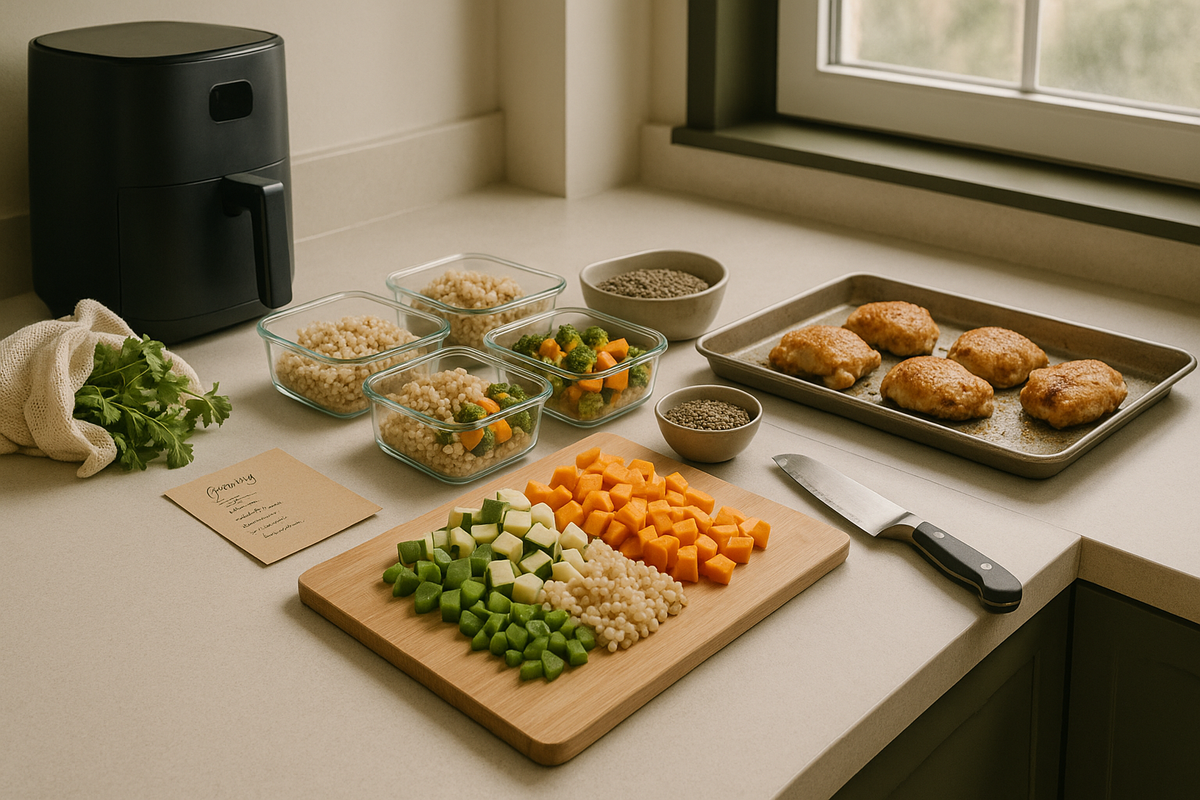
Key Takeaways
- Protein targets jumped 50-100% in 2025 when the new Dietary Guidelines for Americans raised recommendations to 1.2-1.6 grams per kilogram of body weight daily, forcing meal prep strategies to evolve beyond old templates.
- Plant-based proteins deliver the best budget math — dried lentils cost roughly $0.01 per gram of protein, 8 times cheaper than vegan protein powder and 5 times cheaper than ground beef, making beans and legumes the cornerstone of affordable high-protein meal prep.
- Air fryer recipes and Trader Joe's hacks dominate 2026 viral food trends, with hard-boiled eggs cooked at 270°F for 15 minutes and red lentil pasta becoming weeknight staples that deliver 10-15 grams of protein per serving in under 20 minutes.
- Meal planning apps correlate with better weight outcomes — a January 2026 study found 90% of people who met weight loss goals used a meal plan, with apps reducing decision fatigue and increasing accountability for everyday eaters.
- Breakfast shifted from aspirational to functional as more Americans fit workouts into morning routines, prioritizing balanced meals built around oats, fruit, whole grains, and high-protein add-ins that provide steady energy and repeat easily.
- Strategic shortcuts beat guilt-driven perfectionism — the average American spends over 260 hours per year on cooking and cleanup, making ready-to-use ingredients, batch cooking, and smart appliances the practical foundation of sustainable meal prep in 2026.
Why Meal Prep Became Non-Negotiable in 2026
The collision of updated nutrition science and stubborn grocery inflation has turned meal prep from a wellness aspiration into a practical necessity for American households. The 2025-2030 Dietary Guidelines for Americans raised protein recommendations to 1.2-1.6 grams per kilogram of body weight per day, a 50-100% increase over the old standard that had not changed in 70 years. At the same time, grocery prices climbed 29-32% since 2019, forcing families to close the gap between higher nutritional goals and tighter budgets.
In 2026, the conversation has shifted from whether to meal prep to how to make it work within the constraints of real life. Consumers are moving past guilt-driven perfectionism toward systems that accommodate time poverty, budget limits, and the need for meals that actually taste good. For a family of five, budget-friendly meal plans average $11-$16 per person per day, or roughly $400-$475 per week when buying proteins in bulk and cooking larger batches with leftovers in mind.
The Protein Math That Changed Everything
Meeting the new protein targets requires strategic sourcing, and the most affordable path runs through plant-based staples. Dried lentils cost roughly $0.01 per gram of protein, making them eight times cheaper than vegan protein powder and five times cheaper than ground beef. Beans, chickpeas, and split peas offer similar economics, positioning legumes as the cornerstone of high-protein meal prep on a budget.
Research shows protein increases satiety more than carbohydrates or fat when spread across meals rather than concentrated in one sitting, with practical recommendations of 25-40 grams per meal spaced 3-4 hours apart. This spacing requires planning. A slow-cooked chicken in Korean BBQ-style sauce can rotate through bowls, tacos, and lettuce wraps across multiple meals, while USDA MyPlate guidelines recommend balanced plates with roughly half vegetables and fruits, with the other half split between lean protein and whole grains.
Air Fryers, Trader Joe's Hacks, and What's Actually Going Viral
Air fryer recipes have become one of the biggest viral food trends in 2026, with hard-boiled eggs cooked at 270°F for around 15 minutes transforming everyday meal prep routines across the United States. The appeal is speed and consistency — air fryers, pressure cookers, and smart ovens mean meals can go from fridge to table in record time, eliminating the friction that derails good intentions.
Trader Joe's Red Lentil Pasta trending on TikTok creates a ten-minute dinner with no fuss, containing 15 grams of protein per serving. Greek yogurt clusters offer upwards of 10 grams of protein per serving as a quick and easy high-protein snack. The world of quick prep meals in 2026 is bursting with bold, global flavors, with families reaching for inspiration from Asian stir-fries, Mediterranean salads, and Latin American bowls to make dinner exciting even when time is short.
Breakfast as Functional Fuel, Not Formality
As more people fit workouts into the start of their day, breakfast becomes functional fuel rather than a formality. The best breakfast ideas in 2026 are simple, balanced meals built around ingredients like oats, fruit, whole grains, and everyday staples that provide steady energy and are easy to repeat.
Some of the biggest breakfast trends of 2026 include breakfast bowls, international flavors, and unique twists on cottage cheese and oatmeal. Many breakfast trends revolve around people looking for more ways to add additional protein and fiber to their diets, resulting in mixing and matching lots of whole food ingredients. Gluten-free, sugar-free pancakes made with rolled oats and banana are ideal for meal prep — double the batch, freeze half, and reheat for a quick, healthy high-protein breakfast any day of the week.
Meal Planning Apps and the Psychology of Consistency
A January 2026 study from CSIRO revealed that people who use meal plans lose more weight, with 90% of those who met their weight loss objectives employing a meal plan. The value is not just in the recipes but in the reduction of decision fatigue and the structure that supports accountability.
Growth in meal planning apps is attributed to rising awareness of nutrition and healthy eating, increased use of mobile devices, and the growing trend of fitness and wellness apps integrating seamlessly with meal planning tools. Noom takes a psychology-first approach to meal planning using cognitive behavioral techniques to build sustainable eating habits rather than just providing recipes, with color-coded food systems and daily lessons making it feel more like a nutrition course than a meal planner.
The organization and efficiency aspects of meal planning apps were generally found to be positive, with participants discussing planning ahead, being prepared, and feeling organized, and planning was reported to reduce last-minute decision making and shopping while increasing accountability.
The Time Economy: Strategic Shortcuts That Work
The biggest barrier to consistent meal prep is not motivation — it is time. Between work, family, and other commitments, spending hours chopping vegetables feels overwhelming, but strategic use of ready-to-use products delivers fresh flavor without the prep work. The average American spends over five hours a week just on cooking and cleanup, not including shopping or planning — that is over 260 hours a year — and smart shortcuts give that time back.
Pre-washed greens, pre-cut vegetables, rotisserie chicken, canned beans, frozen vegetables, and shelf-stable grains are not compromises but tools that make consistency possible. The rise of air fryers, pressure cookers, and smart ovens further compresses the time gap between intention and execution, reducing friction at the moment when most people abandon their plans.
What This Means for Readers
Editorial analysis — not reported fact:
If you are struggling to meet the new protein targets on a grocery budget that feels tighter every month, the answer is not buying more expensive powders or premium meats. It is building meals around dried lentils, canned chickpeas, and bulk-bought chicken thighs that you batch-cook on Sunday and repurpose through the week. It is using an air fryer to cook hard-boiled eggs in 15 minutes without babysitting a pot. It is leaning on Trader Joe's red lentil pasta and Greek yogurt clusters when dinner needs to happen in ten minutes.
If you are new to meal prep, start with breakfast. Double a batch of oat-banana pancakes, freeze half, and reheat them through the week. That single habit reduces morning decision fatigue and sets a rhythm for the rest of your meals. If you are a busy professional or parent, a meal planning app is not indulgence — it is infrastructure that reduces cognitive load and keeps you on track when life gets chaotic.
The 2026 meal prep playbook is not about perfection. It is about systems that fit your actual schedule, budget that reflects real grocery prices, and flavors that make you want to eat what you prepped. Strategic shortcuts are not shortcuts at all — they are the practical foundation of sustainable healthy eating for everyday Americans. As always, consult a registered dietitian or healthcare professional if you have specific nutritional needs, food allergies, or medical conditions that affect your meal planning.
Sources & Further Reading
- Mighty Meals Quick Prep Meals Guide — comprehensive overview of budget meal planning, protein cost comparisons, viral cooking trends, air fryer techniques, breakfast ideas, and the 2025-2030 Dietary Guidelines protein recommendations
- Meal Thinker Meal Planning Research — insights on meal planning app effectiveness, CSIRO weight loss study findings, consumer behavior patterns, time spent on cooking and cleanup, and strategic use of shortcuts in everyday meal prep
Editorial coverage of publicly reported health, fitness, wellness, nutrition, and active living developments. Move Weekly has no commercial relationship with any companies, gyms, studios, brands, events, experts, products, or organizations named.