Lift Heavy to Live Longer: Strength Training in 2026
Muscle is now recognized as medicine. Why progressive overload, proper form, and functional strength are reshaping fitness for longevity and everyday life.
Key Takeaways
- Muscle as medicine: The medical community now recognizes muscle as a vital endocrine organ that plays a crucial role in glucose disposal, cytokine signaling, and protecting against sarcopenia, the age-related muscle loss that begins in our 30s.
- Progressive overload drives gains: Gradually increasing stress on muscles through added weight, reps, or sets encourages adaptation and growth; the 10% rule (never increase load by more than 10% per week) minimizes injury risk while ensuring sustainable progress.
- Fewer than 30% of U.S. adults meet strength guidelines: Despite surging interest in 2026, most Americans still fall short of recommended muscle-strengthening activity, creating an urgent gap that trainers and gyms are addressing through inclusive, progressive programming.
- Form is the non-negotiable foundation: Poor lifting technique, including rounded backs and momentum-driven movements, is the most preventable cause of injury; practicing with minimal weight to master proper form protects the back, shoulders, and knees.
- Functional strength supports everyday movement: Compound movements like squats, push-ups, and kettlebell swings build real-world strength, balance, and mobility that make routine tasks, from getting off the floor to lifting groceries, feel effortless.
- Women's health drives strength adoption: Women can lose up to 10% of bone mineral density during perimenopause and continue losing muscle mass at about 0.6% per year after menopause, making resistance training with heavier loads and higher protein intake essential for this demographic.
Why Strength Training Is Being Reframed as Longevity Medicine in 2026
The fitness industry is experiencing a fundamental shift in how Americans approach strength training. The focus has moved beyond aesthetics to embrace muscle as a vital component of long-term health and metabolic protection. Longevity experts now use the term "Metabolic Armor" to describe the role muscle plays in glucose disposal, cytokine signaling, and defending against sarcopenia, the age-related muscle loss that begins in our 30s.
For the over-40 crowd, the trend is moving away from high-rep "toning" workouts toward progressive overload with heavy compound lifts, with the goal of building a reservoir of strength that acts as a buffer against chronic disease. The most successful longevity enthusiasts are adopting the Hybrid Athlete model: balancing high-level strength with Zone 2 cardiovascular health, combining 3 to 4 days of resistance training to maintain bone density and power with 150 to 200 minutes of Zone 2 cardio to optimize mitochondrial function and VO2 Max, one of the strongest predictors of all-cause mortality.
Yet despite this growing recognition, fewer than 30% of U.S. adults meet the recommended guidelines for muscle-strengthening activity, creating an urgent gap that trainers and gym operators are working to close through progressive, inclusive programming as of spring 2026.
Strength Training Surges to the Top of 2026 Fitness Trends
According to the American College of Sports Medicine's 2026 Worldwide Fitness Trends forecast, traditional strength training landed at number 7, while functional fitness training cracked the top 10 for the first time since climbing from number 12 in 2025. Demand for strength shows no sign of slowing, but consumers are becoming more discerning about their strength training. With strength training recognized as a key modality for all ages, not just Gen Z but also those experiencing perimenopause and menopause, older adults, and those taking weight-loss medication, expect to see many more variations of strength programming throughout 2026.
Gyms across the country have been swapping out cardio equipment for extra weight stations on the gym floor, while a raft of new strength-based classes have quickly come to prominence, particularly as a means of alleviating lengthy queues at the squat racks. Based on data from 2,000 surveyed fitness professionals, people want to build strength, move with purpose, and get more out of their gym time.
The Science Behind Progressive Overload and Sustainable Muscle Growth
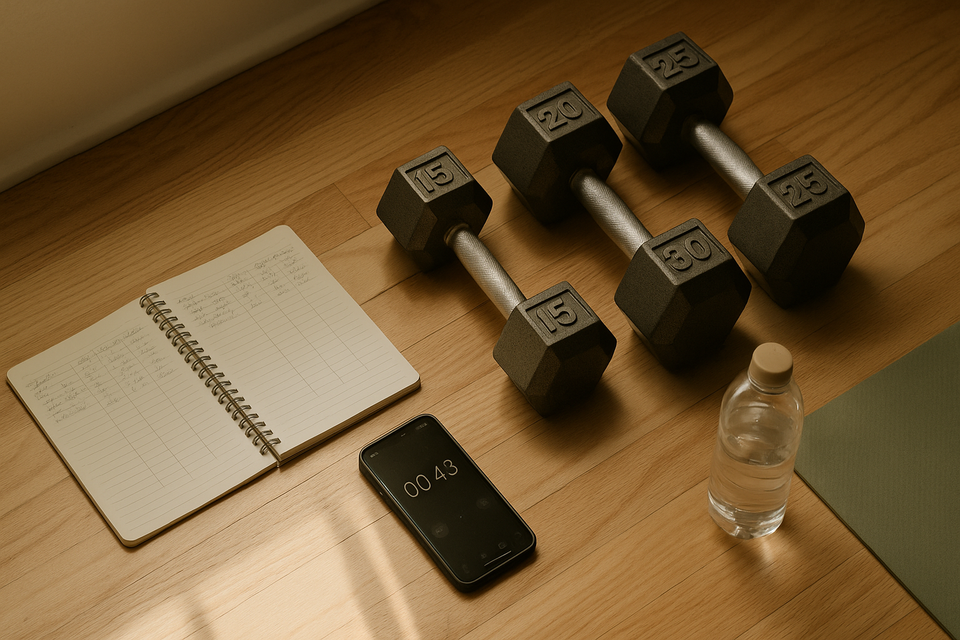
Progressive overload is a key strategy to build strength and muscle over time, involving gradually and intentionally increasing the stress placed on the body during exercise, which encourages muscles to adapt and grow stronger. For most individuals, training each major muscle group 2 to 3 times per week is optimal for maximizing hypertrophy, providing a potent stimulus for growth without compromising recovery.
Key progression methods include adding weight, sets, or reps; reducing rest times; pausing at specific parts of the movement; and other deliberate adjustments. A good rule of thumb is the 10% rule: never increase the load by more than 10% per week, as this helps minimize injury risk while ensuring your body can adapt to the increased demand. Both progressions of repetitions and load appear to be viable strategies for enhancing muscular adaptations over an 8-week training cycle, which provides trainers and trainees with another promising approach to programming resistance training.
Form and Injury Prevention: The Non-Negotiable Foundation
Poor form is the most preventable cause of injury in strength training. Common mistakes during weightlifting include rounding the back, arching the back, and using momentum to lift weights, which can lead to stress on the spine, shoulders, and knees, increasing the risk of injury. The injuries most often seen in people who lift weights are muscle strains from overuse or acute injury, with the back, shoulder, and knee being the most frequent sites.
Critical prevention strategies start with a proper warmup. Cold muscles are more prone to injury than warm muscles; before lifting weights, warm up with 5 to 10 minutes of brisk walking or other aerobic activity. Move the weight in a controlled way, without hurrying. When you take it slow, it helps you isolate the muscles you want to work and keeps you from relying on momentum to lift the weight.
The key to mastering safe, proper form is to first practice a weightlifting exercise with very little weight, such as starting with an empty bar or simply squatting your body weight. The lift may feel too easy during this process, but it is important to get your form correct before adding significant weight. Keeping a neutral spine and engaging your core muscles can help prevent common issues, while using controlled movements instead of relying on momentum to complete an exercise is also vital.
Functional Strength: Building Real-World Movement Capacity
Functional fitness comprises strength training that activates multiple muscle groups and replicates movements you perform in daily life, such as lifting, squatting, and bending. Functional training builds the type of strength that supports daily movement and long-term health, developing real-world strength, balance, and mobility that extend beyond the gym.
Key compound movements include squats, push-ups, and kettlebell swings, which build total-body strength and power while helping preserve lean muscle at any age. Real-world benefits are tangible: functional training helps your body handle routine tasks with less effort. Over time, movements like getting off the floor or reaching into the washing machine will feel more natural, not like something you have to plan around.
Women's Health, Menopause, and the Urgent Case for Heavy Lifting
As estrogen declines, women can lose up to 10% of bone mineral density during perimenopause and continue losing muscle mass at a rate of about 0.6% per year after menopause, changes that directly impact strength, balance, and injury risk. Resistance training with heavier loads, higher protein intake, vitamin D and magnesium adequacy, and balance and power-focused exercise become essential components of training for this demographic.
In 2026, women's health concerns are driving a significant portion of strength training adoption, with gyms and trainers developing menopause-specific programming that emphasizes bone density preservation, muscle maintenance, and metabolic health. This demographic shift is reshaping how the industry approaches strength programming, with a growing emphasis on progressive, individualized protocols that account for hormonal changes and long-term health outcomes.
What This Means for Readers
Editorial analysis — not reported fact:
If you have avoided the weight room because you thought strength training was only for bodybuilders or athletes, 2026 is the year to reconsider. The science is clear: muscle is not optional for healthy aging. Whether you are in your 30s looking to build a foundation for the decades ahead, navigating perimenopause or menopause, managing a chronic condition, or simply want to keep up with your kids or grandkids, progressive strength training offers measurable, lasting benefits that cardio alone cannot provide.
Start conservatively. If you are new to lifting, seek out a qualified trainer who can teach you proper form on foundational movements like squats, deadlifts, and presses before you add significant weight. Practice with an empty bar or bodyweight variations until the movement pattern feels natural. Prioritize the 10% rule for load increases and train each major muscle group 2 to 3 times per week, allowing adequate recovery between sessions.
For women in midlife, prioritizing heavy, progressive resistance training alongside adequate protein intake (aim for at least 1.6 grams per kilogram of body weight per day) and attention to vitamin D and magnesium status can help counteract the hormonal shifts that accelerate muscle and bone loss. For all readers, functional strength training that mirrors daily movements, such as squatting to pick up groceries, getting up from the floor, or lifting overhead, will translate directly into improved quality of life and independence as you age.
As always, if you have a chronic condition, joint pain, a history of injury, or are pregnant or postpartum, consult a qualified healthcare professional or physical therapist before beginning a new strength training program.
Sources & Further Reading
- American College of Sports Medicine: Progressive Overload — explains the science behind gradually increasing training stress for muscle growth and strength gains
- ACSM's 2026 Worldwide Fitness Trends Forecast — annual survey of fitness professionals identifying strength training and functional fitness as top trends
- U.S. Department of Health and Human Services: Physical Activity Guidelines for Americans — official recommendations for muscle-strengthening activity
- Mayo Clinic: Weight Training Do's and Don'ts — practical guidance on proper form, injury prevention, and safe lifting practices
- Harvard Health: Functional Fitness Exercises for Every Age — overview of functional strength training and its real-world benefits
- National Institutes of Health: Muscle Loss and Bone Density Changes During Menopause — peer-reviewed research on hormonal changes and the role of resistance training
Editorial coverage of publicly reported health, fitness, wellness, nutrition, and active living developments. Move Weekly has no commercial relationship with any companies, gyms, studios, brands, events, experts, products, or organizations named.